
As October brings cooler mornings and chilly evenings to Southern Maine, homeowners are beginning to rely on their heat pumps for something they haven't needed much of during the summer: heating.
But what happens when you switch your heat pump to HEAT mode, expecting warm air, and instead feel cool air coming from the unit?
It's a surprisingly common concern, especially during the transition from cooling season to heating season.
The good news? A heat pump blowing cool air doesn't always mean something is broken.
Sometimes, it's part of the system's normal operation. Other times, it can point to an issue that needs attention.
Understanding the difference can help you avoid unnecessary worry and recognize when it's time to call a professional.
Here's what Southern Maine homeowners should know.
1. First, Is Your Heat Pump Actually Blowing Cold Air?
Before assuming something is wrong, it's important to understand how heat pumps deliver warmth.
Unlike traditional furnaces that produce very hot air, heat pumps generally deliver heat more gradually and consistently.
The air coming from your heat pump may not feel as hot as the air from an oil or gas furnace, even when the system is heating your home effectively.
This is particularly noticeable if you're standing directly beneath an indoor mini split.
Here's a simple way to check:
Make sure your system is set to HEAT mode, usually indicated by a sun symbol.
Set the temperature a few degrees above the current room temperature.
Allow the system several minutes to begin heating.
Check whether the room gradually becomes warmer.
If the room temperature is increasing and your home is comfortable, the system may be working normally.
However, if the unit continues blowing noticeably cold air and the room isn't warming up, it's worth investigating further.
2. Your Heat Pump Might Be Going Through a Defrost Cycle
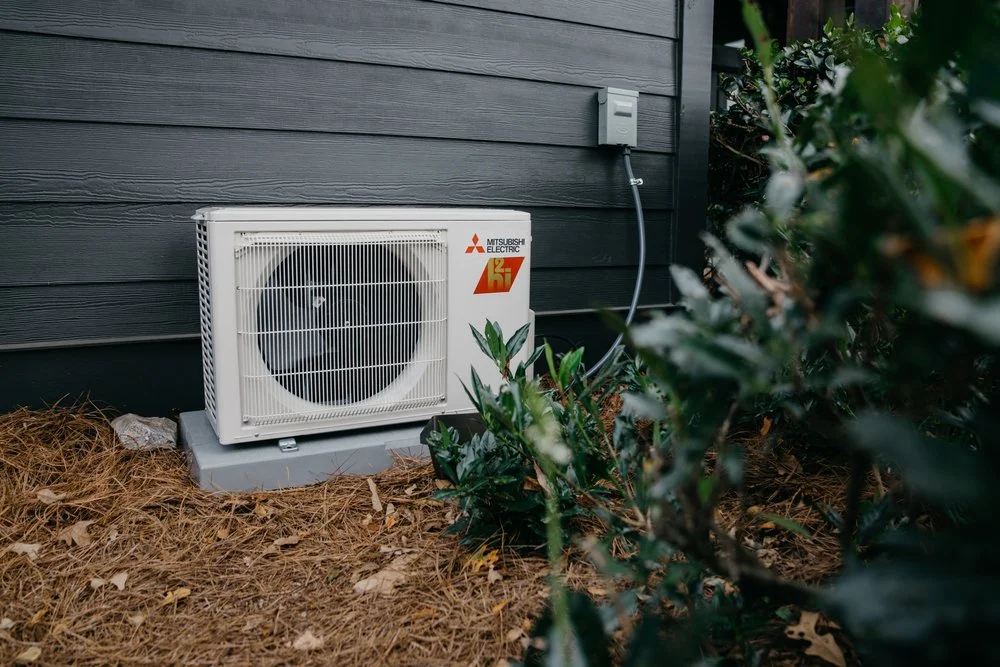
One of the most common reasons homeowners notice a temporary interruption in heating is the automatic defrost cycle.
During colder, damp weather, moisture in the outdoor air can freeze on the outdoor heat pump coil.
A thin layer of frost can reduce airflow and heat transfer, so many heat pumps automatically activate a defrost cycle to remove it.
During this process, the system temporarily redirects heat toward the outdoor coil.
Depending on the model, you might notice:
The indoor fan slowing down or stopping.
A temporary pause in warm airflow.
Steam rising from the outdoor unit.
Changes in the sound of the outdoor equipment.
A brief delay before normal heating resumes.
Is this normal?
Yes. Automatic defrosting is an important part of cold-weather heat pump operation.
Most systems are designed to minimize uncomfortable cold drafts during defrost, although exact behavior varies by model.
A normal defrost cycle generally lasts several minutes, and the system should return to heating afterward.
When should you be concerned?
If the outdoor unit becomes heavily encased in ice, repeatedly fails to clear frost, or stops providing adequate heating, professional servicing may be needed.
Never chip ice off the coils or pour boiling water over the equipment.
3. Your Heat Pump Might Be Set to the Wrong Mode
This might sound obvious, but it's one of the easiest things to overlook when the seasons change.
Many homeowners spend the summer using their heat pumps in COOL mode.
When temperatures drop, they increase the thermostat setting without realizing the system is still set to cooling.
Others leave the system in AUTO mode, which can switch between heating and cooling depending on the room temperature and the unit's controls.
For most homeowners trying to heat their homes consistently, selecting HEAT mode directly is a good starting point.
What to check:
Find the MODE button on your heat pump remote or controller.
Select HEAT, usually represented by a sun icon.
Set your desired room temperature.
Give the system time to respond.
If you have multiple indoor units connected to one outdoor unit, remember that some multi-zone systems cannot heat one room while simultaneously cooling another.
Conflicting operating modes can prevent certain units from heating as expected.
4. Your Heat Pump May Need Time to Warm Up
Heat pumps don't always begin delivering warm air immediately after being switched into heating mode.
Many systems include a warm-up or anti-cold-draft feature.
This prevents the indoor fan from blowing uncomfortable cool air into the room before the indoor coil reaches an appropriate temperature.
You might notice the indoor unit appears to be running but isn't moving much air.
That's not necessarily a problem.
What should you do?
Give the unit several minutes to begin heating before changing settings repeatedly.
If the system still isn't providing warmth after a reasonable startup period, check for error indicators or other signs of a problem.
Repeatedly turning the system off and on can make troubleshooting more difficult.
5. Dirty Air Filters Could Be Restricting Airflow
After a busy summer of cooling, your heat pump's indoor filters may have collected dust, pet hair, and other airborne particles.
Restricted airflow can reduce heating performance and make it harder for the system to maintain a comfortable temperature.
In more serious cases, airflow problems can contribute to operating faults.
Signs your filters may need attention include:
Weaker airflow than usual.
Dust buildup visible on the filters.
Reduced heating performance.
Longer operating times without reaching the desired temperature.
For many ductless systems, homeowners can remove and clean the reusable mesh filters themselves.
Always follow your manufacturer's instructions, turn the unit off before cleaning, and allow washed filters to dry completely before reinstalling them.
It's also important to understand the difference between routine filter cleaning and professional deep cleaning.
While homeowners can usually maintain accessible filters, internal components such as blower wheels and heat exchangers may require specialized cleaning methods.
At Only Heat Pumps, we regularly help Southern Maine homeowners maintain their systems so they can continue operating effectively through changing seasons.
6. Your Outdoor Unit Might Have an Airflow Problem
As leaves continue falling across Southern Maine, outdoor heat pump units can become surrounded by seasonal debris.
Leaves, pine needles, overgrown vegetation, and other obstructions can restrict airflow around the outdoor equipment.
This matters because your heat pump needs access to outdoor air to transfer heat into your home.
A quick outdoor inspection can help.
Look for:
Leaves collecting around the base of the unit.
Branches or vegetation blocking airflow.
Debris trapped against the outdoor coil.
Objects stored too close to the equipment.
Ice or other obstructions interfering with normal operation.
Keep the area around your outdoor unit clear according to the manufacturer's recommended clearances.
You can remove loose debris from the surrounding ground, but avoid reaching into the equipment or attempting to clean internal components without proper guidance.
A clear outdoor unit is especially important as we move closer to winter.
7. Low Refrigerant or Mechanical Problems Could Be Affecting Heating
If you've checked your settings, cleaned your filters, and confirmed that the outdoor unit has adequate airflow, but your heat pump still isn't heating properly, the issue may require professional diagnosis.
Possible causes include:
Refrigerant leaks
Heat pumps rely on a sealed refrigerant circuit to transfer heat. A leak can reduce heating performance and potentially damage equipment if left unresolved.
Faulty sensors
Temperature sensors help the system regulate heating. Incorrect readings can interfere with normal operation.
Reversing valve problems
The reversing valve allows many heat pumps to switch between heating and cooling. A malfunction can prevent the system from operating correctly in one mode.
Electrical or control issues
Faulty components, communication problems, or system errors may interrupt normal heating.
These issues generally aren't appropriate for DIY repairs.
Refrigerant and electrical work should be performed by qualified professionals.
If your heat pump consistently blows cold air, displays an error code, or struggles to maintain temperature, having the system inspected is the safest next step.
8. What Should You Do If Your Heat Pump Isn't Heating?
Before scheduling a service appointment, there are several simple things you can safely check.
Your quick troubleshooting checklist:
Confirm the unit is set to HEAT mode.
Set the temperature above the current room temperature.
Allow several minutes for the system to start heating.
Check and clean accessible indoor air filters if needed.
Look for leaves or debris around the outdoor unit.
Check whether the controller displays an error code.
Make sure other connected indoor units aren't requesting conflicting modes.
If the system begins heating normally, continue monitoring its performance.
If the problem persists, avoid repeatedly resetting the equipment or attempting internal repairs.
A professional technician can diagnose the underlying cause and recommend the appropriate solution.
9. Why This Matters for Southern Maine Homeowners Right Now
Many heat pumps have spent months primarily cooling homes during the warmer season.
Now they're being asked to operate in heating mode more consistently.
This is often when homeowners first notice unusual behavior, whether it's delayed warm airflow, unexpected operating sounds, or rooms that aren't reaching their desired temperature.
Addressing genuine problems now can help reduce the risk of losing heat during colder winter weather.
And sometimes, the solution is as simple as adjusting a setting or cleaning a filter.
The important thing is knowing when a behavior is normal and when it deserves closer attention.
10. Need Help With a Heat Pump That Isn't Heating Properly?
At Only Heat Pumps, we believe homeowners should understand what's happening with their equipment, not feel pressured into unnecessary repairs.
Whether your heat pump needs troubleshooting, professional servicing, or a closer inspection, our team can help identify the issue and explain your options.
We work with homeowners throughout Portland and Southern Maine to keep heat pump systems operating reliably as the seasons change.
If your heat pump is blowing cold air, struggling to reach your desired temperature, or behaving differently than usual, give Only Heat Pumps a call.
We're happy to help you figure out what's going on.
Serving Portland and communities throughout Southern Maine.
Phone: 207-870-7710
Website: https://www.onlyheatpumps.me/
Frequently Asked Questions
Why is my mini split blowing cold air when it's set to heat?
Possible causes include an incorrect operating mode, a normal startup delay, a defrost cycle, restricted airflow, or a mechanical problem. If the unit continues delivering cold air without warming the room, professional diagnosis may be necessary.
Is it normal for a heat pump to stop blowing warm air during winter?
Yes, temporarily. Many heat pumps pause or reduce indoor airflow during automatic defrost cycles or startup. However, prolonged interruptions or consistently inadequate heating can indicate a problem.
How long should a heat pump take to start blowing warm air?
Many heat pumps begin delivering warm air within several minutes, but startup times vary by model and operating conditions. If heating doesn't begin after a reasonable period, check your settings and look for error indicators.
Can dirty filters cause my heat pump to blow cold air?
Dirty filters can restrict airflow and reduce heating performance. They aren't the only possible cause of cold airflow, but regular filter maintenance is an important part of keeping a heat pump operating properly.
Should I turn my heat pump off if it's blowing cold air?
Not necessarily. First determine whether the system is starting up or completing a normal defrost cycle. If it continues blowing cold air, displays a fault, or shows signs of damage, follow the manufacturer's guidance and contact a qualified technician.
Can I troubleshoot my Mitsubishi heat pump myself?
Homeowners can generally check controller settings, clean accessible filters, and remove loose debris from around the outdoor unit. Refrigerant, electrical, and internal mechanical repairs should be left to qualified technicians.
