
Do Heat Pumps Lose Efficiency as Temperatures Drop? What Maine Homeowners Should Know
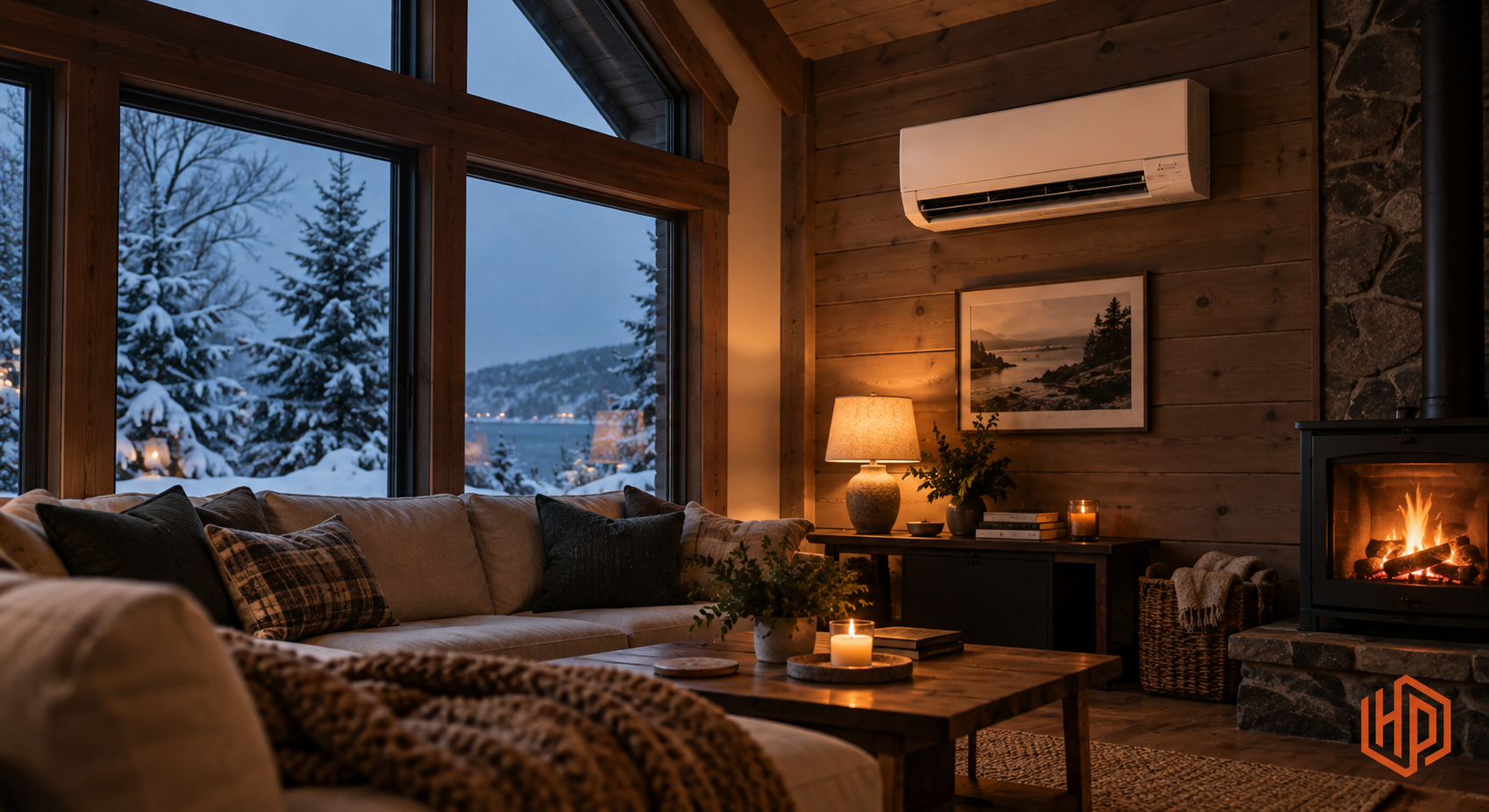
Fall in Maine can change quickly.
One week, your heat pump may still be keeping the house cool during a warm afternoon. A few days later, you're reaching for the remote on a chilly morning and switching it over to heat.
And as temperatures continue dropping toward winter, you might start wondering:
Will my heat pump still work efficiently when it gets really cold outside?
The short answer is yes. Modern cold-climate heat pumps are specifically designed to handle Maine winters. But their operation does change as outdoor temperatures fall, which makes early fall a great time to make sure your system is ready for the heating season ahead.
How Does a Heat Pump Work in Cold Weather?
Unlike a furnace or boiler, a heat pump doesn't create heat by burning fuel.
Instead, it transfers heat.
Even when the air outside feels cold, there is still thermal energy available. Your outdoor heat pump extracts that energy and transfers it inside your home.
As outdoor temperatures drop, however, extracting that heat becomes more difficult. Your system may need to run longer or work harder to maintain the temperature inside your home.
That doesn't necessarily mean something is wrong.
It's part of how a heat pump responds to colder conditions.
Do Heat Pumps Actually Work During a Maine Winter?
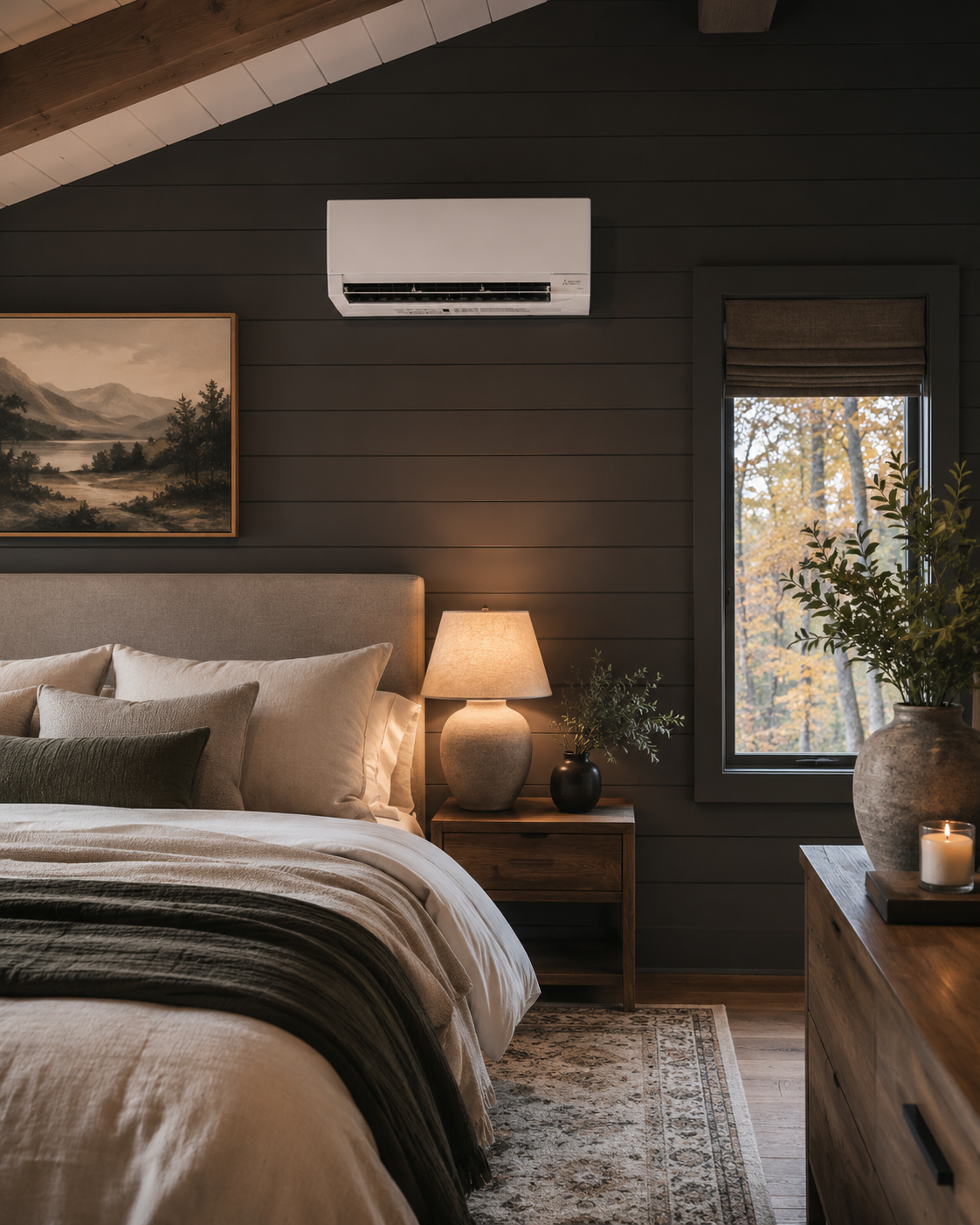
Today's cold-climate heat pumps are very different from older generations of heat-pump technology.
High-performance cold-climate systems are specifically engineered for places like Maine, and many heat pumps can continue providing efficient heating at outdoor temperatures of -22°F or lower.
That means a properly selected, sized, installed, and maintained system can provide reliable heating through extremely cold Maine weather.
So if you've heard that "heat pumps don't work when it gets cold," that doesn't accurately describe today's cold-climate systems.
Does a Heat Pump Become Less Efficient as It Gets Colder?
Generally, a heat pump has to work harder as the outdoor temperature falls.
The important distinction is between a system working harder because it's cold outside and a system struggling because something isn't working correctly.
During colder weather, you may notice your heat pump:
Running for longer periods
Operating more consistently throughout the day
Going through occasional defrost cycles
Producing warm air that doesn't feel as hot as air from a furnace
Using more electricity than it did during milder fall weather
Those things don't automatically indicate a problem.
What you don't want is to enter the first truly cold stretch of winter and discover that your heat pump has an issue that could have been addressed weeks earlier.
Fall Is the Time to Pay Attention
September and early fall give Maine homeowners a valuable window.
You're beginning to use your heat pump for heating, but you haven't reached the point where your home depends on it through freezing temperatures every day.
Think of these first cool mornings as a test run.
Turn your heat pump to Heat mode and pay attention to how it behaves.
Is the airflow strong?
Does the room reach a comfortable temperature?
Is the system making any unusual noises?
Are there strange smells?
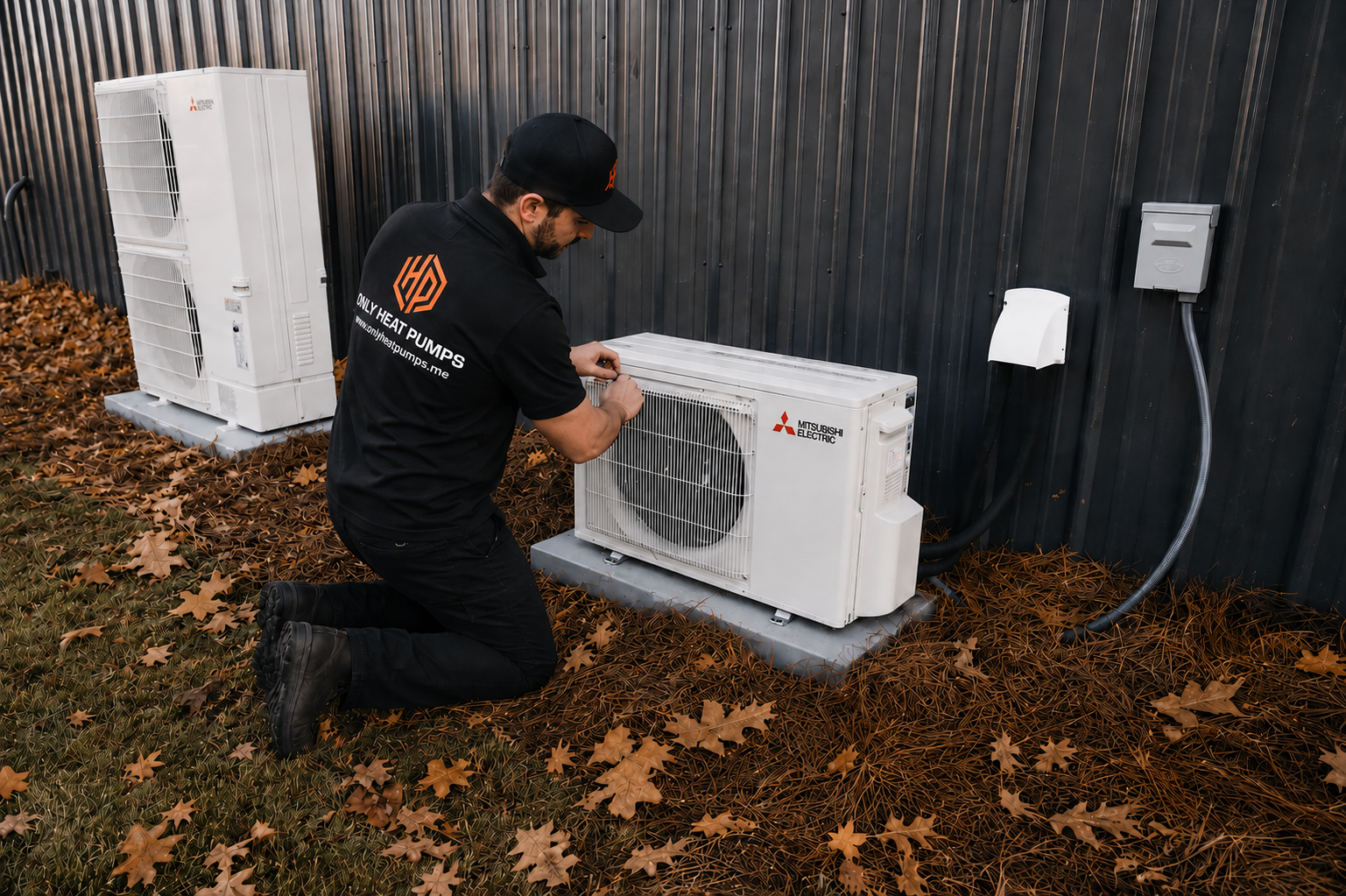
Does the outdoor unit appear clear of leaves and debris?
Has anything changed since last heating season?
If something doesn't seem right now, it's much better to investigate it during a mild September or October day than during the first stretch of freezing weather.
When Was the Last Time Your Heat Pump Was Checked?
Heat pumps work almost year-round in Maine.
Your system may spend the summer cooling and dehumidifying your home and then transition almost immediately into months of heating.
That's a lot of operating time.
Before winter arrives, having your system checked by a heat-pump technician can help identify potential problems before your heat pump enters its busiest heating months.
Depending on the system and its condition, a preventative tune-up or service visit may include checking system operation, airflow, filters, drainage, outdoor equipment, electrical components, and overall heating performance.
The goal isn't just to fix something that's already broken.
It's to catch the small things before they become winter problems.
Signs Your Heat Pump May Need Service Before Winter
If you've started using your heat pump for heat this fall, pay attention to changes in how it operates.
Consider having the system checked if you notice:
Weak or reduced airflow
Unusual noises
Persistent odors
Water leaking from an indoor unit
Trouble reaching the set temperature
Unexpected increases in energy use
Frequent stopping and starting
Error codes or warning lights
Ice buildup that doesn't clear normally
A noticeable change in performance compared with last winter
Even if everything seems normal, it may still be worth checking when your system was last professionally serviced.
Don't Wait for the First Freezing Night
Heat-pump problems have a way of becoming much more noticeable when temperatures drop.
A system that seems "good enough" during a 50°F afternoon may tell a very different story when Maine temperatures fall below freezing.
That's why fall is such a useful time for preventative maintenance.
There's usually less urgency, you aren't shutting down the primary heating system during extreme cold, and there's time to address an issue before winter really settles in.
If it's been a while since your heat pump was professionally checked, now is the time to get ahead of it.
Get Your Heat Pump Ready for a Maine Winter
Heat pumps are built to handle cold weather, especially today's high-performance cold-climate systems.
But like any piece of equipment that works throughout the year, performance depends on more than what the thermometer says.
Proper installation, system condition, airflow, cleanliness, settings, and maintenance all play a role in how well your heat pump performs when you need it most.
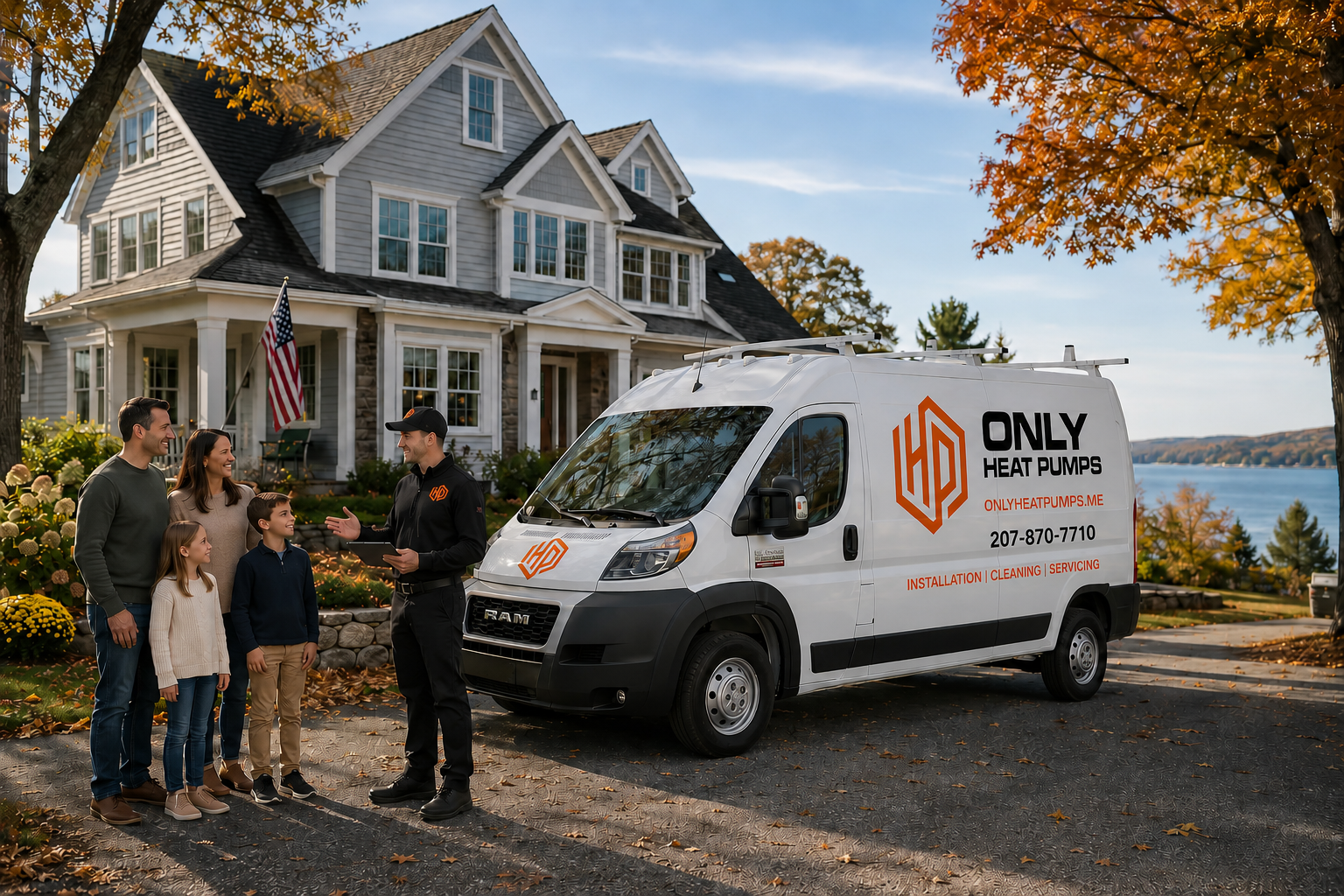
At Only Heat Pumps, heat pumps are all we do. We install, clean, service, and maintain heat-pump systems throughout Southern Maine.
Fall is here.
Winter isn't far behind.
Give your heat pump a test run now, and if something doesn't seem right — or it's simply been a while since someone checked it — schedule a preventative tune-up before the real cold arrives.
