
Is Your Heat Pump Ready for Another Maine Winter? 7 Things to Do Before Heating Season
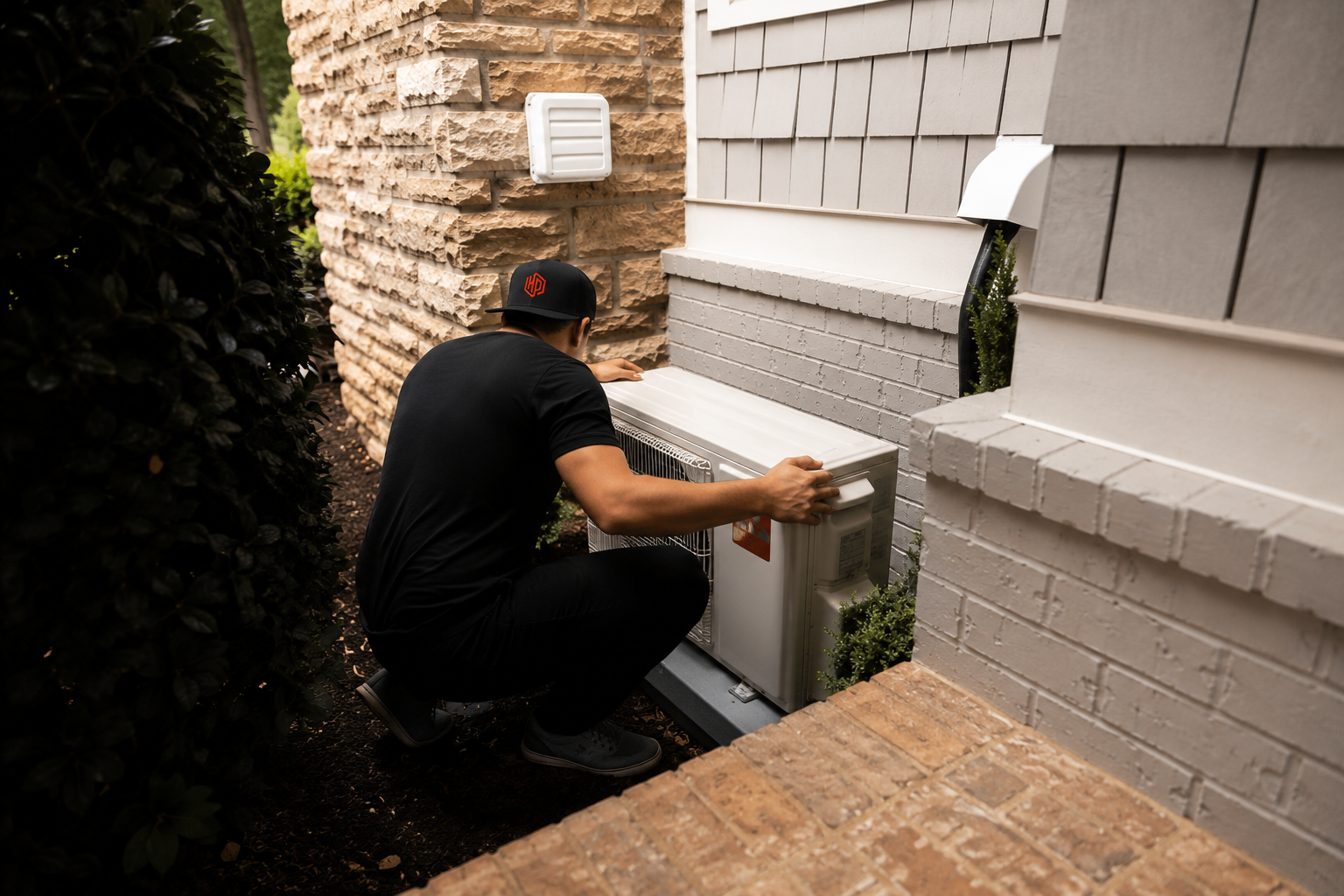
It’s still summer in Maine. The days are warm, your heat pump is probably running in cooling mode, and the first freezing night of the year may feel like a long way off.
But heating season has a way of arriving quickly.
And if you rely on heat pumps to keep your home comfortable, late summer is one of the best times to make sure your system is ready for what comes next.
Think about what your heat pump has already been through this year. It worked through the cold months, transitioned into spring, and then spent much of the summer removing heat and humidity from your home.
Soon, you’re going to ask that same system to change directions and start heating again.
The good news? Preparing a heat pump for heating season doesn't have to be complicated.
Here are 7 things Maine homeowners should do before the temperatures start dropping.
1. Start With Your Heat Pump Filters
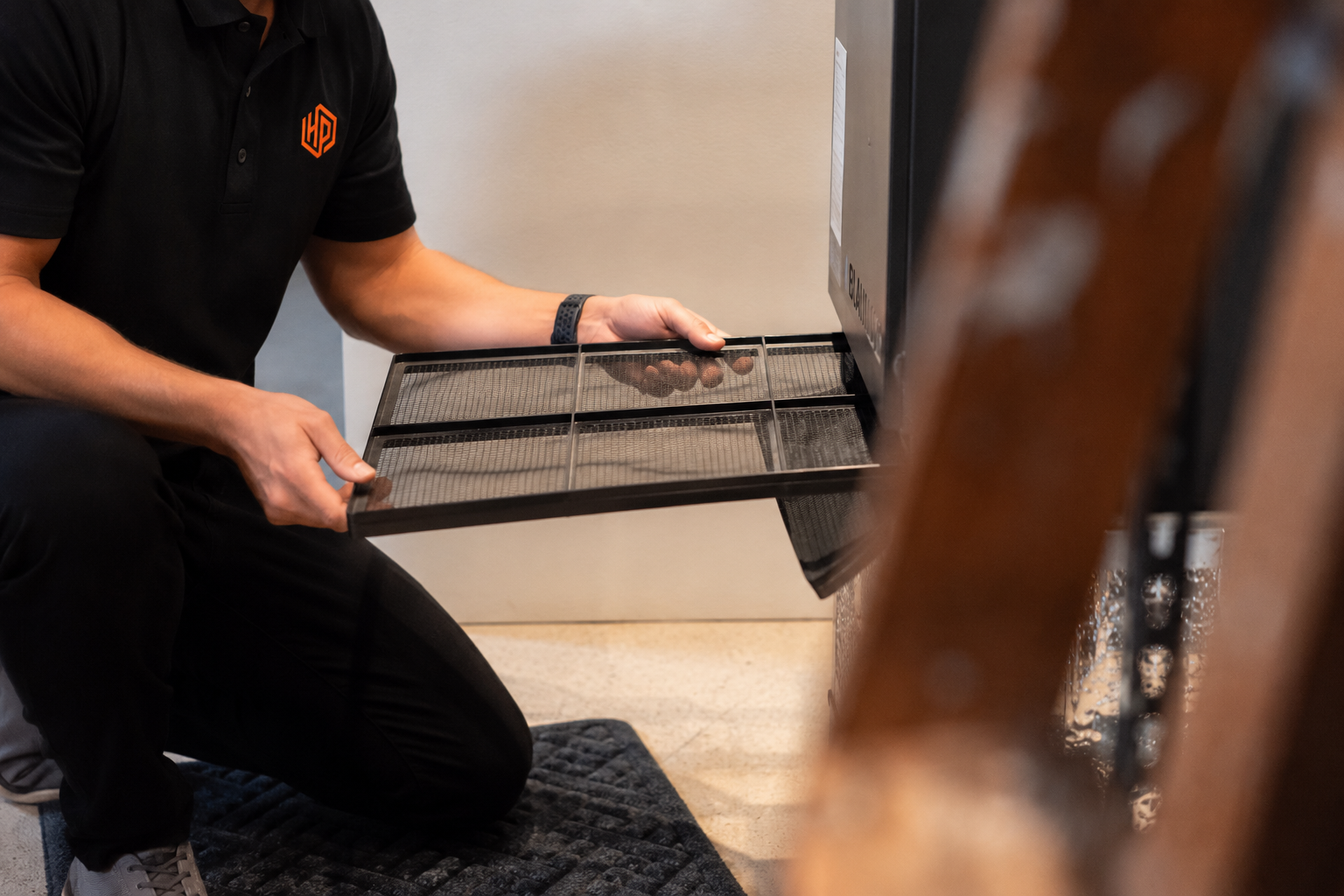
One of the simplest things you can do for your heat pump is also one of the easiest to forget:
Check the filters.
During a Maine summer, your heat pump can move a lot of air through your home. Along with that air comes dust, pet hair, pollen, and other particles that can accumulate on the filters.
As those filters become dirty, airflow through the system can become restricted.
That matters because your heat pump depends on good airflow to operate properly and efficiently. ENERGY STAR recommends inspecting heat pump filters regularly and cleaning or replacing them when dirty.
Before heating season begins, take a few minutes to inspect the filters in each indoor unit.
If they're visibly dirty, clean them according to the manufacturer's instructions.
And remember: cleaning the removable filters isn't the same thing as professionally cleaning the entire heat pump.
Dust and debris can accumulate deeper inside an indoor unit where homeowners can't easily reach. Efficiency Maine recommends professional heat pump cleaning in addition to regular dust-filter cleaning, following the manufacturer's recommendations.
Starting heating season with a clean system is much better than asking a dirty one to work through another Maine winter.
2. Take a Walk Outside and Look at Your Outdoor Unit
Next, head outside.
Your outdoor heat pump has been sitting through an entire summer of:
Grass clippings
Leaves
Pollen
Dirt
Plants and vegetation
Wind-blown debris
Take a look around the unit and make sure nothing is restricting airflow.
Shrubs and plants shouldn't be growing into or crowding the heat pump. Leaves and other loose debris should also be removed from around the unit.
Be careful around the thin metal fins on the outdoor coil. They can be damaged if they're bent or handled aggressively.
This is also a good opportunity to look above the heat pump.
When winter arrives, roof runoff, snow, and ice can become important considerations. Your outdoor unit needs to remain accessible and able to move air throughout the winter.
Efficiency Maine recommends keeping outdoor units clear of shrubs, leaves, and snow drifts, while ENERGY STAR similarly advises keeping indoor and outdoor equipment clear of debris.
You don't need to obsess over every snowflake that touches your heat pump — these systems are designed to operate outdoors, and defrost cycles are a normal part of winter operation.
What you don't want is a unit buried in a snowbank or surrounded by debris that restricts airflow.
3. Think About Anything That Changed This Summer
Here's a question homeowners don't ask themselves often enough:
Is your heat pump behaving differently than it used to?
Think back over the last couple of months.
Have you noticed:
New or unusual noises?
Strange odors?
Water where you don't normally see it?
Reduced airflow?
One room becoming harder to cool?
A unit running differently than the others?
Trouble keeping the temperature comfortable?
Anything else that simply doesn't seem normal?
Small changes don't automatically mean there's a major problem.
But they shouldn't necessarily be ignored either.
Your heat pump is about to transition from summer cooling into months of heating. If something doesn't seem right now, it's worth investigating before your home depends on that system during cold weather.
Late summer gives you something January doesn't:
time.
Time to inspect the system, identify a potential issue, and decide what needs to be done without discovering the problem during a freezing Maine night.
4. Test Heating Mode Before You Actually Need Heat
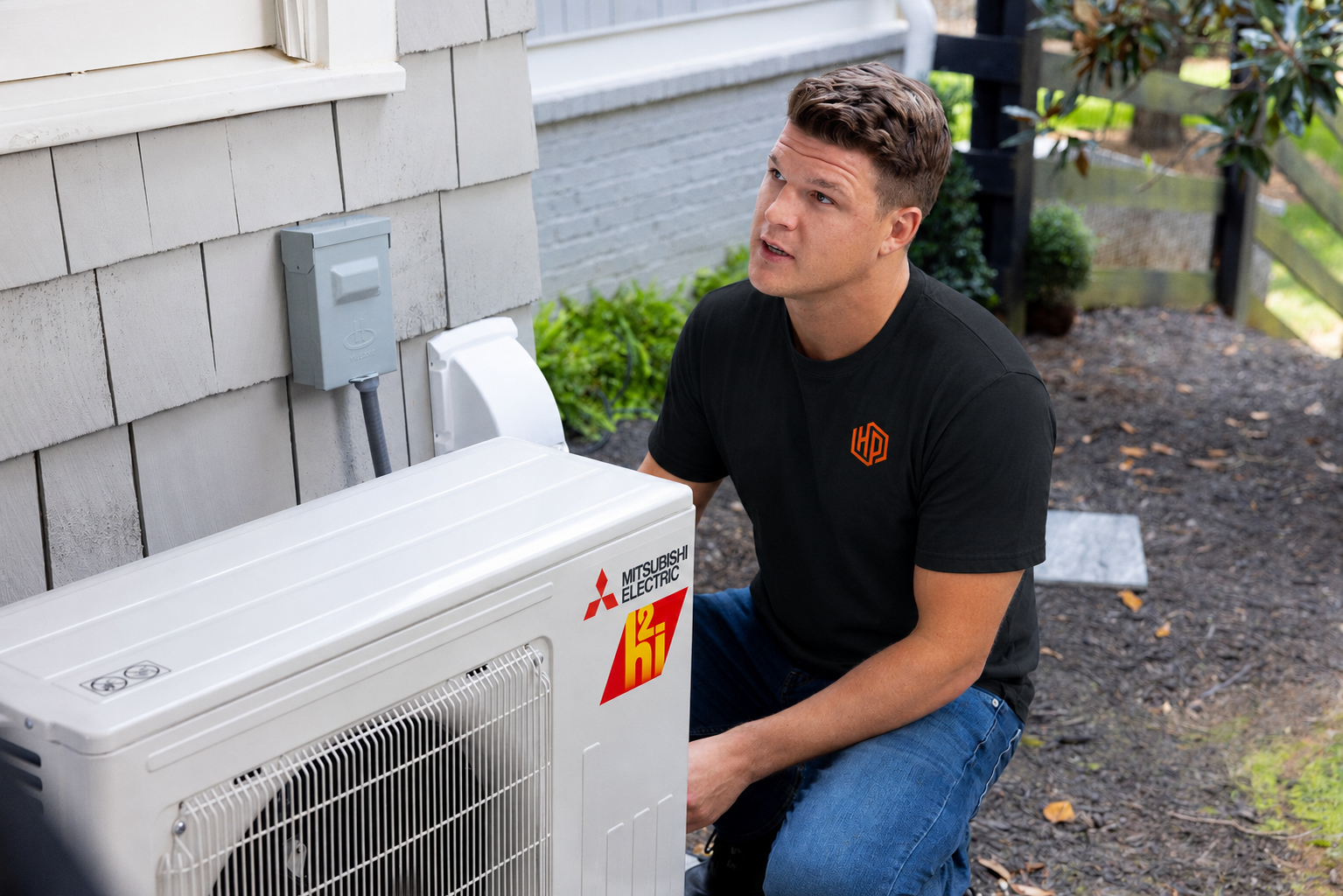
Don't wait until the first genuinely cold night to discover whether your heat pump will switch into heating mode correctly.
Once we start getting a cooler Maine morning, give it a test.
Switch your heat pump from COOL to HEAT, choose a comfortable temperature above the current room temperature, and give the system time to respond.
You're looking for basic signs that everything is operating normally.
Does the indoor unit begin delivering warm air?
Does the system sound normal?
Are all of your indoor units responding properly?
If everything works as expected, great.
If something doesn't seem right, you've discovered it while the weather is still relatively forgiving.
One other important setting to understand is AUTO mode.
AUTO may sound like the obvious choice, but it isn't necessarily the best setting for a Maine heat pump. In AUTO, some systems can switch between heating and cooling in an attempt to maintain the selected temperature.
That can result in unnecessary operation during unusual temperature swings.
For that reason, Efficiency Maine and ENERGY STAR recommend selecting the specific mode you want — COOL during cooling season and HEAT during heating season — rather than simply leaving the system in AUTO.
When fall arrives, make the intentional switch to HEAT.
5. Don't Operate a Heat Pump Like an Old Furnace
This is one of the biggest adjustments for homeowners who are new to heat pumps.
If you've spent decades heating with oil, propane, or another traditional heating system, you may be accustomed to frequently adjusting the thermostat.
Turn it down when you leave.
Turn it down overnight.
Crank it back up when you get home.
Repeat.
Heat pumps operate differently.
In many situations, you'll get better results by choosing a comfortable temperature and allowing the heat pump to maintain it rather than constantly making dramatic changes.
ENERGY STAR recommends maintaining a steady temperature with heat pumps, and Efficiency Maine similarly advises homeowners to find a comfortable setting and leave it there rather than making short-term temperature adjustments.
That may require changing some old habits.
It can also take a little experimentation to determine what temperature actually feels comfortable.
For example, many ductless indoor heat pump units are installed high on the wall. Because the unit senses temperature where it is mounted, the number displayed on your remote may not feel exactly the same as the thermostat setting you were accustomed to with another heating system.
Set your heat pump based on comfort — not just the number you're used to seeing.
Once you've found the setting that keeps the space comfortable, let the heat pump do its job.
6. Don't Automatically Give Up on Your Heat Pump When It Gets Really Cold
There's an old idea that still circulates among homeowners:
“Heat pumps are great until it gets really cold.”
That belief made more sense with older heat pump technology.
Modern cold-climate heat pumps are specifically designed to continue operating at low outdoor temperatures.
Efficiency Maine's current homeowner guidance goes even further: it recommends using high-performance heat pumps for heating even during the coldest winter weather and reserving a boiler or furnace for emergency backup when appropriate.
That doesn't mean every heat pump, every home, or every heating system should be operated identically.
The capabilities of your specific equipment matter.
How the system was designed and sized matters.
Your home's insulation and layout matter.
And homes with supplemental heating systems can have additional considerations, including protecting plumbing located in colder basement areas.
The important point is this:
Don't choose an arbitrary outdoor temperature and automatically shut your heat pump off just because the thermometer dropped.
Understand the equipment installed in your home and how that system was intended to operate.
Modern heat pumps can do far more in Maine winters than many homeowners realize.
7. Get Ahead of Problems Before Heating Season

This may be the most important step on the list.
If your heat pump has:
Dirty components
Restricted airflow
Drainage issues
Unusual noises
Performance problems
Damage around the outdoor unit
Or anything else that concerns you
now is the time to find out.
ENERGY STAR recommends pre-season HVAC checkups and specifically notes that contractors tend to become busier once the heating and cooling seasons arrive.
That makes late summer and early fall an ideal window.
You aren't waiting for the first freezing night.
You aren't suddenly wondering why the bedroom isn't getting warm.
And you aren't discovering a problem when your heat pump is needed most.
You're getting ahead of heating season.
A Little Preparation Now Can Make a Big Difference Later
Maine asks a lot from a heat pump.
One system may go from keeping your house comfortable during a hot, humid August afternoon to heating that same house during a bitter January morning.
That's one of the great things about heat pumps.
But equipment that works year-round also deserves year-round attention.
Before heating season arrives:
Check the filters.
Clear the outdoor unit.
Pay attention to changes in performance.
Test heating mode.
Use the right settings.
Understand how your system should operate in cold weather.
And most importantly, don't wait until winter to find out something isn't right.
Not Sure Where to Start? We'll Check It for Free.
At Only Heat Pumps, heat pumps aren't one of the things we do.
They're all we do.
That's why we're offering homeowners a FREE 10-Point Heat Pump Inspection.
We'll take a look at key components of your heat pump system, assess its overall condition, and help identify potential issues that may need attention before heating season.
No waiting for the first cold snap.
No wondering whether everything looks right.
Just an opportunity to get your heat pump checked by people who work with heat pumps every day.
Frequently Asked Questions About Preparing Your Heat Pump for Winter
When should I prepare my heat pump for winter in Maine?
Late summer and early fall are great times to start preparing your heat pump for heating season. You don't need to wait until temperatures are already dropping below freezing. Checking your system ahead of time gives you an opportunity to identify cleaning, maintenance, or performance issues before you depend on your heat pump every day for heat.
Should I have my heat pump serviced before winter?
It's a good idea to have your heat pump inspected and maintained regularly according to the manufacturer's recommendations. If your system has been working hard throughout the summer, having it checked before heating season can help identify dirty components, airflow problems, drainage issues, unusual wear, or other concerns before colder weather arrives.
At Only Heat Pumps, we also offer a FREE 10-Point Heat Pump Inspection for homeowners who want to know how their system is looking before heating season.
Do I need to clean my heat pump before winter?
Your heat pump's removable filters should be inspected regularly and cleaned when needed. However, cleaning the filters isn't the same as professionally cleaning the entire heat pump.
Dust and debris can accumulate on internal components that aren't easily accessible to homeowners. If it's been a while since your heat pump received a professional cleaning, heading into heating season is a good time to consider one.
What temperature should I set my heat pump to in the winter?
There isn't one perfect temperature for every Maine home. Start with a temperature that feels comfortable and make small adjustments until you find the setting that works for your household.
Once you find it, try to maintain a relatively consistent temperature rather than repeatedly making large adjustments or turning the heat pump on and off throughout the day.
Should I leave my heat pump running all winter?
Cold-climate heat pumps are designed to provide heat during cold weather, and many Maine homeowners use them throughout the heating season.
Exactly how you should operate your system depends on the heat pump equipment you own, how your system was designed and sized, your home's characteristics, and whether you have another heating system.
Rather than automatically shutting your heat pump off at a certain outdoor temperature, understand how your specific system was designed to operate.
Should my heat pump be set to HEAT or AUTO during the winter?
During heating season, HEAT mode is generally the better choice.
AUTO mode can allow some systems to switch between heating and cooling automatically as indoor conditions change. Selecting HEAT mode tells the system exactly what you want it to do and helps prevent unnecessary switching between modes.
Is it normal for my outdoor heat pump to have frost or ice on it?
Some frost on an outdoor heat pump can be normal during cold weather. Heat pumps periodically enter a defrost cycle to remove frost that develops on the outdoor coil.
However, heavy ice buildup that doesn't clear, a unit that appears completely frozen, unusual noises, or a noticeable loss of heating performance can indicate that something needs attention.
If you're unsure whether what you're seeing is normal, have the system inspected rather than attempting to chip or break ice off the unit yourself.
Do I need to remove snow from around my outdoor heat pump?
Yes. Your outdoor unit needs adequate airflow to operate properly.
After significant snowfall or drifting, check that snow hasn't accumulated around or blocked the outdoor unit. Keep the area surrounding the heat pump clear and pay particular attention to snowbanks created by shoveling, plowing, or drifting.
Avoid striking the unit or using sharp tools to remove snow or ice from the equipment itself.
Can heat pumps really heat a home during a Maine winter?
Yes. Modern cold-climate heat pumps are designed to operate at temperatures well below freezing.
However, performance varies by equipment, system design, sizing, installation, and the home itself. That's why choosing equipment designed for cold climates — and having it properly sized and installed — is especially important here in Maine.
How do I know if my heat pump needs attention before winter?
Pay attention to changes in how your system looks, sounds, and performs.
Reduced airflow, unusual noises or odors, water where it shouldn't be, inconsistent temperatures, excessive ice buildup, error codes, or a noticeable decline in heating or cooling performance are all good reasons to have the system checked.
And you don't have to wait for something to go wrong.
Having your heat pump inspected before heating season can give you a better idea of its current condition and help uncover potential concerns while there's still time to address them.
Schedule Your FREE 10-Point Heat Pump Inspection
📞 207-870-7710
Only Heat Pumps. It's all we do.