
5 Things to Check Before Switching Your Heat Pump to Heating Mode This Fall
Late summer in Maine can be unpredictable. One day the heat pump is keeping your home cool, and a few weeks later, those cooler mornings have you reaching for the remote to turn the heat on.
That transition between cooling and heating season is a great time to give your heat pump a little attention.
You don't have to wait until the first truly cold night to find out something isn't working properly. Checking a few things now can help you catch potential problems early and make sure your system is ready when you actually need the heat.
Here are five things we recommend checking before switching your heat pump over to heating mode this fall.
1. Test Heating Mode Before You Actually Need It
One of the easiest things you can do is simply turn your heat pump to HEAT before cold weather arrives.
Set the temperature a few degrees above the current room temperature and give the system some time to respond. You should eventually feel warm air coming from the indoor unit.
While it's running, pay attention to how the system behaves.
Does it start normally? Is warm air coming from the unit? Are there any unusual noises? Does the room begin warming up?
Testing your heat pump while the weather is still comfortable gives you time to address a problem without suddenly finding yourself without heat on a cold Maine night.
2. Check and Clean Your Filters
Your heat pump relies on good airflow to efficiently move conditioned air throughout your home.
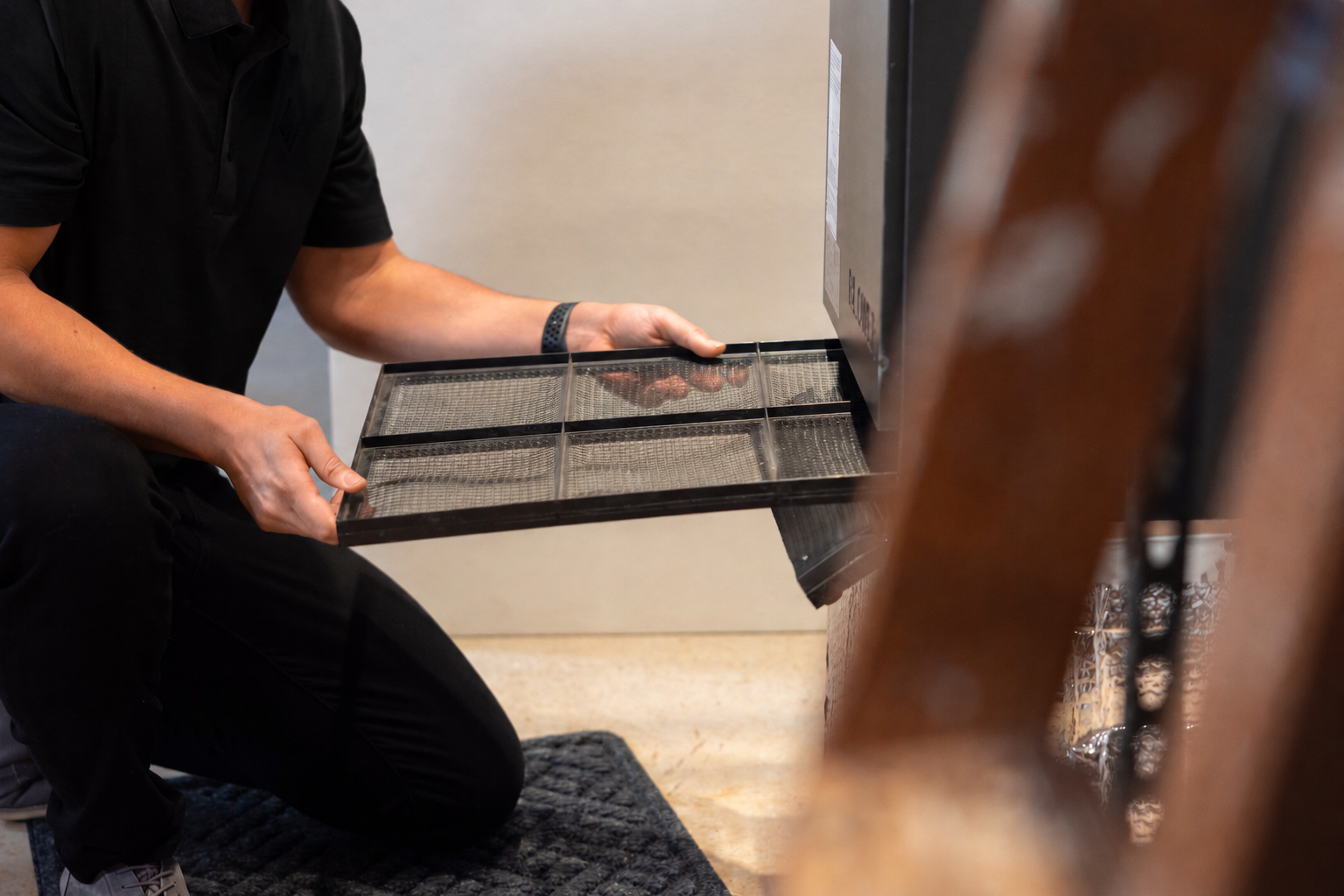
After a full summer of cooling, dust, pet hair, pollen, and other debris may have accumulated on the filters.
Take a look at the filters in your indoor units and clean them if needed.
A dirty filter can restrict airflow and make your heat pump work harder than necessary. Keeping filters clean is one of the simplest things homeowners can do between professional service visits to help their system operate properly.
And remember, cleaning your filters isn't the same as deep cleaning your heat pump.
Dust and buildup can collect deeper inside the indoor unit where a basic filter cleaning can't reach.
3. Take a Look at the Outdoor Unit
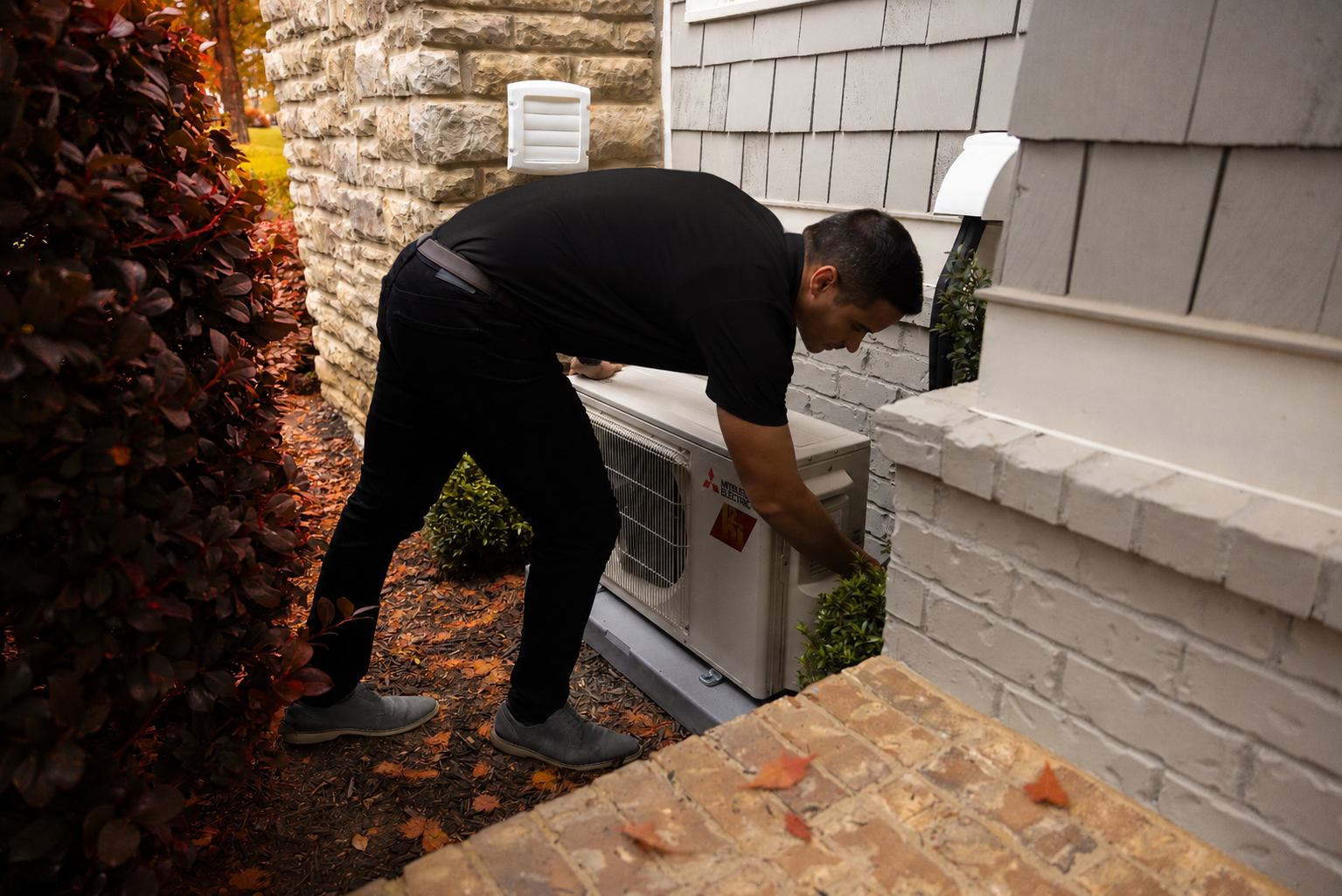
Your outdoor heat pump has been sitting outside through an entire Maine summer.
Before fall arrives, take a quick look around it.
Leaves, weeds, grass clippings, branches, and other debris can accumulate around the unit and interfere with airflow.
Make sure the area immediately surrounding the outdoor unit is reasonably clear and that nothing obvious is blocking it.
As we move further into fall, this becomes even more important as leaves begin dropping.
You don't need to take the unit apart or attempt to clean internal components yourself. A quick visual inspection is enough to spot obvious obstructions or anything that looks unusual.
4. Pay Attention to Anything That Seems Different
You know how your heat pump normally sounds and feels.
If something suddenly seems different, don't ignore it just because the system is still running.
Watch for things like:
Unusual noises
Weak airflow
Strange smells
Error codes or blinking lights
Difficulty reaching the set temperature
A unit that repeatedly starts and stops
Heating that feels noticeably different from previous seasons
Not every change means there's a major problem, but unusual behavior can be an early indication that something deserves a closer look.
Catching an issue during mild weather is usually much more convenient than discovering it when your heat pump is working hard to keep your home warm.
5. Consider Preventative Service Before Heating Season
Summer cooling puts your heat pump to work for months. Then, instead of getting the winter off, the same system becomes responsible for heating your home.
That's one of the things that makes heat pumps unique. They can provide year-round comfort, but that also means they can accumulate a lot of operating hours.
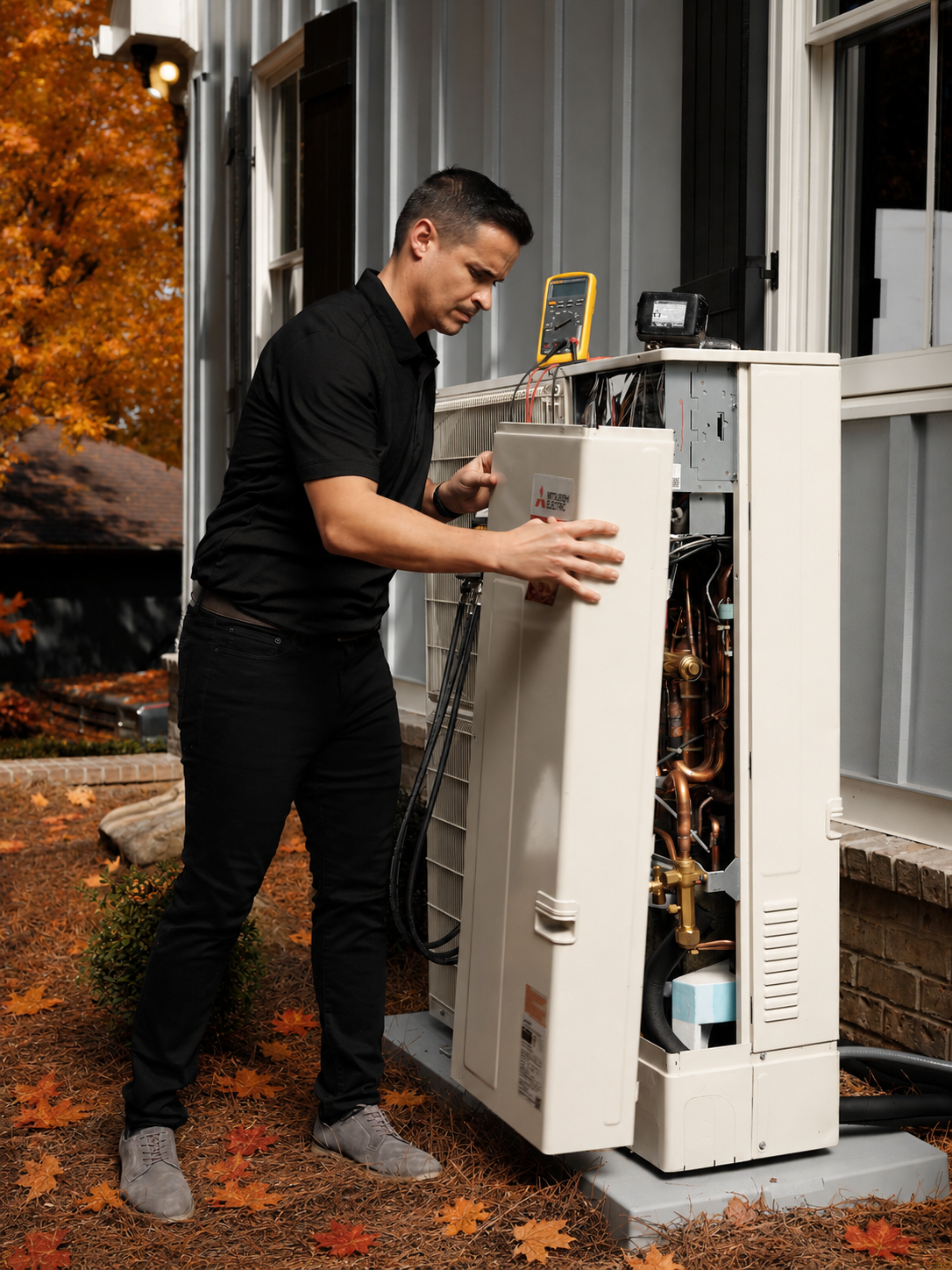
The transition between seasons is a convenient time to have the system checked.
At Only Heat Pumps, we specialize specifically in heat pump systems. Our preventative care services are designed to help identify potential issues, check system operation, and make sure your equipment is prepared for the season ahead.
If something needs attention, it's much better to find it now than during the first stretch of cold weather.
Why Late Summer and Early Fall Are a Great Time to Check Your Heat Pump
There's another practical reason to think about your heat pump now: you aren't relying heavily on heating or cooling.
During Southern Maine's milder fall weather, there are often days when your heat pump doesn't need to work nearly as hard.
That makes it an ideal time for cleaning, preventative maintenance, or addressing a problem you've been putting off.
Once temperatures drop and heating season gets underway, your heat pump becomes a much more important part of keeping your home comfortable.
A little preparation now can give you more confidence heading into the colder months.
Get Your Heat Pump Ready for Fall
You don't need to wait until there's a problem to give your heat pump some attention.
Test your heat, check your filters, look over the outdoor unit, and pay attention to anything that seems unusual.
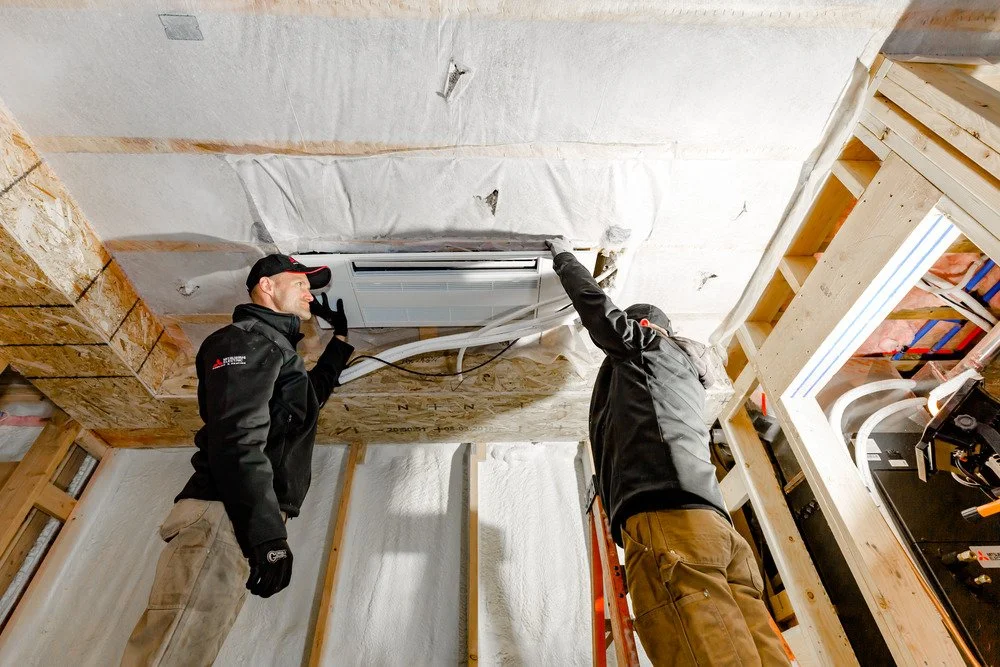
If you'd rather have a professional take a closer look, Only Heat Pumps proudly serves homeowners throughout Southern Maine with heat pump cleaning, servicing, preventative care, and installation.
Get ahead of heating season and make sure your system is ready when those cooler Maine nights arrive.
Ready to have your heat pump checked? Contact Only Heat Pumps today to schedule service.
Frequently Asked Questions
When should I switch my heat pump from cooling to heating?
There isn't one specific date. Maine weather can change quickly in the fall, so switch to heating mode when indoor temperatures become uncomfortable. Before you need heat regularly, it's a good idea to test heating mode and make sure the system is operating normally.
Should I service my heat pump before winter?
Fall can be an excellent time for preventative heat pump service. Your system has already worked through the cooling season and will soon be responsible for heating your home. A preventative check can help identify potential issues before colder weather arrives.
How often should I clean my heat pump filters?
Filter-cleaning frequency depends on the home, system usage, pets, dust, and other conditions. Check filters regularly and clean them when you notice visible buildup or restricted airflow. Follow the recommendations for your specific equipment as well.
Is cleaning the filter the same as deep cleaning a heat pump?
No. Cleaning the filter is an important homeowner maintenance task, but buildup can also accumulate deeper inside the indoor unit. A professional deep cleaning addresses areas that aren't reached during normal filter cleaning.
Why isn't my heat pump heating after working fine all summer?
Cooling properly doesn't necessarily guarantee that every component involved in heating will operate exactly as expected. If your system isn't producing heat, displays an error code, makes unusual noises, or otherwise isn't operating normally, it may need to be inspected by a heat pump technician.
Can I leave my heat pump running throughout the fall?
Yes. Heat pumps are designed to maintain indoor comfort as outdoor conditions change. However, the best operating mode and temperature settings can depend on the weather, your home, and your particular system.