
The First Cold Night Test: Is Your Heat Pump Ready for Fall in Maine?
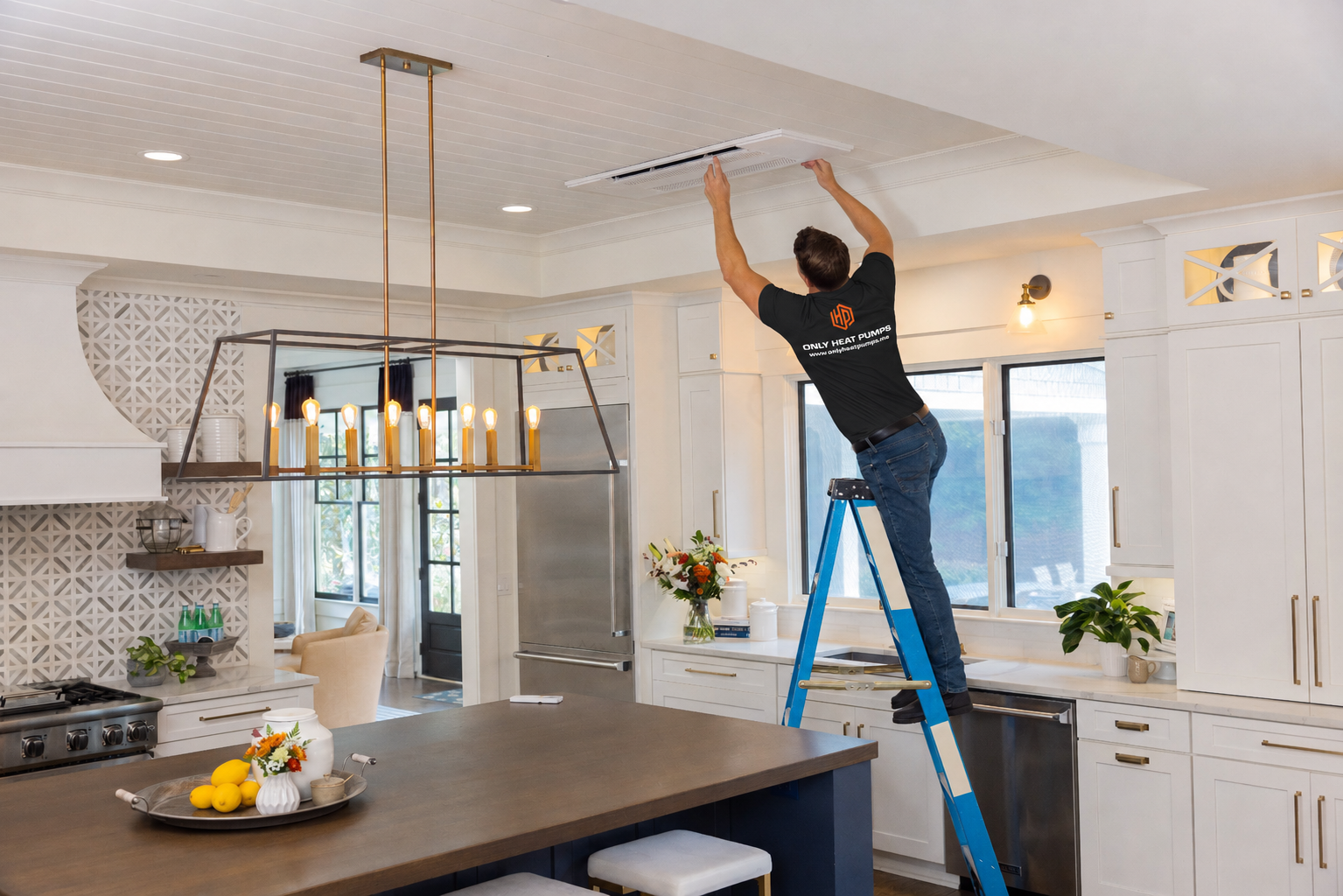
Late August and early September in Southern Maine can be a little unpredictable. One afternoon might still feel like summer, while the next morning has you reaching for a sweatshirt.
Your heat pump has probably spent the last few months keeping your home cool and comfortable. But before those cooler Maine nights become the norm, there’s one simple thing worth doing:
Turn on the heat.
You don’t have to wait until your house is actually cold. In fact, testing your heat pump before you depend on it is one of the easiest ways to catch a potential problem before heating season gets underway.
Think of it as your First Cold Night Test.
Why Test Your Heat Pump Before You Need It?
If your heat pump cooled your home all summer, it can be easy to assume it will switch over to heating without an issue.
Often, it will.
But cooling successfully doesn’t necessarily tell you everything about how the system will perform when you ask it to heat your home.
A quick test now gives you an opportunity to notice things like:
Weak or inconsistent airflow
A unit that isn’t producing warm air
Unusual noises
Unexpected odors
Error codes or warning lights
One zone performing differently from another
Problems with your remote or thermostat
An outdoor unit that needs attention
Most importantly, you’re finding these things before you actually need the heat.
That timing matters here in Maine. MaineHousing recommends testing heating systems in August or early September, noting that it’s better to identify an issue before heating companies become busy with emergency no-heat calls.
How to Perform the First Cold Night Test
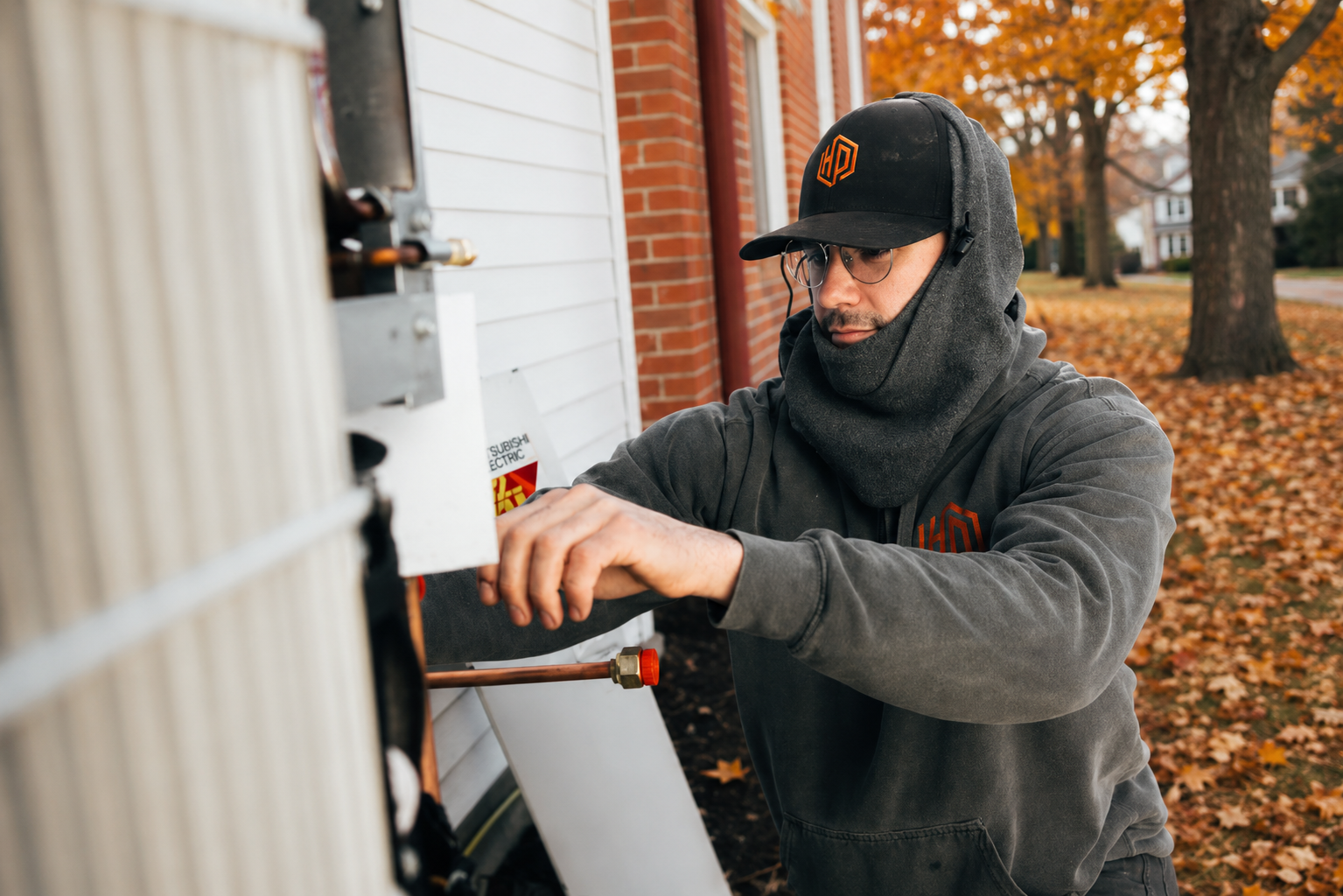
You don't need special equipment to perform a basic check of your heat pump.
Set aside about 15 to 20 minutes and pay attention to how the system responds.
1. Switch Your Heat Pump to HEAT Mode
Start with the remote or thermostat and intentionally select HEAT.
Look for the sun or heat symbol depending on your heat pump's controls.
For this test, don't simply raise the temperature while leaving the system in another operating mode. You want to know that the heat pump can successfully switch from its summer cooling operation into heating.
Once heating season arrives, Efficiency Maine recommends using Heat mode rather than the automatic temperature mode. Auto temperature mode can switch between heating and cooling based on the indoor temperature, which may cause the system to operate differently than you intended.
2. Raise the Temperature a Few Degrees
Set the heat pump several degrees warmer than the current room temperature.
For example, if the room is 68°F, you might temporarily set the heat pump to around 72°F or 74°F for your test.
The goal isn't to make the house hot. You're simply creating enough of a difference for the system to recognize that the room needs heat.
3. Give the Heat Pump a Few Minutes
Don't worry if hot air doesn't immediately come rushing out of the unit.
Heat pumps don't necessarily respond the same way as a furnace or boiler. Give the system a few minutes to start operating and begin producing warm air.
Then stand near the indoor unit and pay attention.
Is the air getting warmer?
Does the airflow feel normal?
Does the system sound like you remember it?
You know your home better than anyone. Sometimes the first sign of a problem is simply noticing that something doesn't seem quite right.
Listen for Anything Unusual
Heat pumps naturally make sounds while operating, so we're not suggesting that every click or hum means something is wrong.
You're looking for something noticeably different.
That might include persistent:
Rattling
Grinding
Buzzing
Vibrating
Clicking
Whistling
If a noise is new, unusually loud, or doesn't go away, it's worth paying attention to.
A small problem discovered on a mild September day is a lot easier to deal with than a system problem discovered when your home actually needs heat.
Check the Airflow
Next, pay attention to how much air is coming from the indoor unit.
If the airflow seems noticeably weaker than normal, start with something homeowners can easily check: the filter.
Restricted airflow can make it harder for your system to operate effectively. Efficiency Maine recommends regularly vacuuming or rinsing indoor heat pump filters so air can flow freely through the unit.
If the filters look good but airflow still seems unusually weak, there may be something else worth investigating.
Have More Than One Heat Pump? Test Every Zone.

If your Southern Maine home has multiple indoor units, don't assume that testing one means the entire system is ready.
Walk from room to room.
Turn each unit to Heat mode and see how it responds.
You may discover that the living room is warming perfectly while a bedroom unit isn't producing the same amount of heat.
Catching a difference between zones now gives you time to determine what's happening before colder weather settles in.
Take a Quick Look at the Outdoor Unit
Your indoor units are only part of the system.
Head outside and give the outdoor unit a quick visual inspection.
You don't need to open anything or perform mechanical work. Simply make sure the area around the unit isn't becoming obstructed.
Look for:
Overgrown vegetation
Tall grass or weeds
Sticks or branches
Leaves beginning to collect around the unit
Other objects restricting the area around it
As fall progresses in Southern Maine, this becomes increasingly important. Falling leaves and seasonal debris can accumulate around outdoor equipment, so keeping the area clear should become part of your fall routine.
What About That "Burning" Smell?
When homeowners turn their heating system on for the first time after summer, smells can immediately cause concern.
A brief dusty smell when equipment hasn't operated in heating mode for months isn't necessarily an emergency.
What matters is whether the smell lingers, becomes stronger, smells electrical, or is accompanied by unusual system behavior.
If something smells genuinely wrong, shut the system down and have it checked rather than continuing to run it just to see what happens.
Your Heat Pump Passed. Now What?
If everything seems normal, great.
Once you actually begin using your heat pump regularly for heating, resist the urge to constantly turn it on and off.
Heat pumps generally work best when maintaining a relatively steady indoor temperature. Efficiency Maine recommends finding a comfortable setting and allowing the heat pump to maintain it rather than frequently making large temperature adjustments.
You'll also want to continue keeping filters clean and the outdoor unit unobstructed as we move deeper into fall.
What If Your Heat Pump Doesn't Pass the Test?
Maybe the air never really warmed up.
Maybe one unit isn't working.
Maybe there's an error code.
Or maybe the system is technically running, but something simply doesn't seem right.
This is exactly why you tested it early.
You still have comfortable weather and time to figure out what's happening before your heat pump becomes something you're relying on every day.
The Maine Department of Energy Resources recommends scheduling heating-system maintenance ahead of heating season to help ensure equipment is operating efficiently.
If you're unsure about what your heat pump is doing, having it inspected now can help identify the issue before colder Southern Maine weather arrives.
Don't Wait for the First Actually Cold Night
There's a big difference between testing your heat pump because you want to and turning it on because you need to.
September gives Southern Maine homeowners a useful window between summer cooling and the heart of heating season.
Take 15 or 20 minutes.
Switch your heat pump to Heat.
Listen to it.
Feel the airflow.
Check your other zones.
Take a look outside.
Hopefully, everything works exactly as expected.
And if it doesn't?
You found out at exactly the right time.
Need Help Getting Your Heat Pump Ready for Heating Season?
At Only Heat Pumps, heat pumps are what we do.
If your system isn't heating properly, something doesn't seem right during your first fall test, or you'd simply like a professional to take a closer look, our team can help you get ahead of the colder weather.
We serve homeowners throughout Portland, South Portland, Scarborough, Cape Elizabeth, Falmouth, Westbrook, and communities across Southern Maine.
Test it now. Fix it early. Stay comfortable when Maine's colder weather arrives.
Contact Only Heat Pumps to schedule heat pump service or preventative care before heating season gets underway.
Frequently Asked Questions
When should I test my heat pump before winter in Maine?
Late August through September is a great time to test your heat pump's heating operation. MaineHousing specifically recommends testing heating systems in August or early September so problems can be discovered before heating contractors become busy with emergency no-heat calls.
How do I test my heat pump's heating mode?
Set your heat pump to Heat mode and raise the set temperature several degrees above the current room temperature. Give the system several minutes to respond, then check for warm air, normal airflow, unusual sounds, odors, warning lights, or error codes.
Should my heat pump blow hot air immediately?
Not necessarily. Heat pumps can take a few minutes to begin delivering noticeably warm air after switching modes. Give the system time to respond before deciding something is wrong.
Should I use Auto or Heat mode in the fall?
When you're using your heat pump for heating, select Heat mode rather than Auto Temperature mode. Efficiency Maine recommends intentionally using Heat in the heating season and Cool during cooling season because Auto Temperature mode can automatically switch between heating and cooling.
What should I check on my outdoor heat pump unit before fall?
Make sure vegetation, weeds, sticks, leaves, and other debris aren't obstructing the outdoor unit. Continue checking it throughout fall as leaves begin to accumulate around your property.
Why is my heat pump airflow weak?
A dirty filter is one potential cause of restricted airflow and is an easy place for homeowners to start. Check and clean the filter according to the manufacturer's instructions. If airflow remains unusually weak after the filter is clean, consider having the system professionally inspected.
Should I turn my heat pump off at night to save energy?
Generally, heat pumps are most efficient when maintaining a relatively steady temperature. Efficiency Maine recommends setting your heat pump to a comfortable temperature and allowing it to maintain that temperature instead of frequently turning it down or off.
What should I do if my heat pump isn't heating?
Check that the system is actually set to Heat mode, verify the temperature setting, check the filter, and give the system several minutes to respond. If it still isn't producing heat or displays an error code, contact a heat pump service professional before colder weather arrives.
