
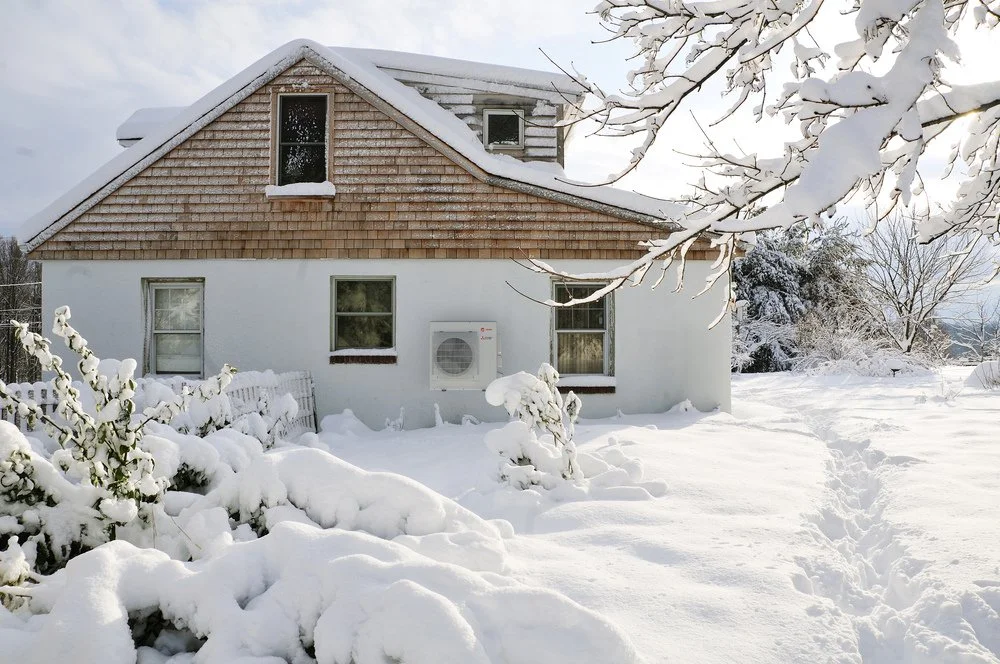
Understanding winter heating costs for Southern Maine homeowners
You installed a heat pump to make your home more comfortable and energy-efficient. But now that colder weather is settling into Southern Maine, you've noticed something: your electric bill is higher than it used to be.
So, what's going on?
First, don't panic. An increase in electricity usage during heating season doesn't automatically mean your heat pump is inefficient or that something is wrong.
In fact, for homeowners who previously relied on oil, propane, or another fuel source, a higher electric bill may be completely normal.
The important thing is understanding where your heating energy is coming from, how much you're spending overall, and whether your system is operating efficiently.
Let's break it down.
1. Your Heat Pump Is Now Doing Work Your Old Heating System Used to Do
One of the biggest reasons homeowners notice an increase in their electric bills after installing a heat pump is actually pretty simple.
Your heat pump uses electricity to heat your home.
If you previously relied on an oil furnace, propane boiler, or another fuel-burning system, much of your heating expense showed up on a completely different bill.
Now, some or all of that heating expense has shifted to your electricity bill.
For example, imagine a homeowner who previously spent:
$150 per month on electricity
$300 per month on heating oil during a winter month
Their combined energy expenses would be $450.
After installing a heat pump, they might spend:
$280 per month on electricity
$75 per month on heating oil
Their combined expenses would now be $355.
That's a $130 increase in electricity costs, but a $95 decrease in overall monthly energy expenses.
These are hypothetical numbers, not guaranteed savings. Actual costs depend on your home, energy rates, weather, and heating equipment.
The takeaway? Don't compare your new electric bill to your old electric bill alone. Compare your total heating and energy expenses.
2. Colder Maine Temperatures Mean Your Heat Pump Has to Work Harder
November marks the beginning of more consistent heating demand throughout Southern Maine.
As outdoor temperatures drop, your home loses heat more quickly, and your heat pump needs to replace that heat to maintain a comfortable indoor temperature.
Heat pumps work by transferring heat from outdoor air into your home, even when it's cold outside.
However, as outdoor temperatures fall, the system generally needs more electricity to deliver the same amount of heating.
That doesn't mean your heat pump stops working efficiently as soon as temperatures reach freezing.
Modern cold-climate heat pumps are specifically designed to operate in low temperatures, making them a practical heating option for many Maine homes.
Still, it's normal for electricity consumption to increase during particularly cold stretches.
Other factors can contribute, including:
Longer heating cycles during cold weather
Heat loss through windows, doors, and insulation
Additional electricity used during defrost cycles
Supplemental electric resistance heating, if your system has it
A higher winter bill may simply reflect increased heating demand rather than a problem with your equipment.
3. Your Thermostat Settings Can Affect Your Heating Costs

One common mistake homeowners make is treating their heat pump exactly like a traditional heating system.
With an oil furnace, you may be accustomed to lowering the thermostat significantly when leaving the house and turning it back up when you return.
Heat pumps often operate more efficiently when maintaining a relatively consistent indoor temperature.
For many ductless systems, frequent large temperature adjustments can create unnecessary heating demand without providing the savings homeowners expect.
Here are a few helpful habits:
Find a comfortable temperature and keep it relatively consistent.
Avoid constantly raising and lowering the temperature throughout the day.
Use HEAT mode during heating season.
Rather than relying on AUTO changeover mode, selecting HEAT can help prevent unnecessary switching between heating and cooling when indoor temperatures fluctuate.
Pay attention to fan settings.
AUTO fan mode is a useful starting point for many systems, while higher manual fan speeds may help distribute warm air more effectively in certain rooms.
Avoid setting the temperature extremely high to warm your home faster.
Setting your heat pump to 85°F doesn't necessarily make it heat the room faster. It may simply cause the system to run longer than needed.
A few small adjustments to your daily habits can help you get more consistent comfort from your system.
4. Your Home's Insulation Matters More Than You Might Think
Even the most efficient heat pump can struggle to maintain comfortable temperatures in a home that's constantly losing heat.
This is particularly relevant in Southern Maine, where many homes were built decades before modern insulation and energy-efficiency standards became common.
Older windows, drafty doors, poorly insulated attics, and air leaks can all contribute to increased heating demand.
When warm air escapes and cold air enters, your heat pump has to work harder to maintain your desired temperature.
Some common areas worth checking include:
Attics and unfinished spaces
Exterior doors and window seals
Basement rim joists
Drafty additions or converted rooms
Poorly insulated walls
Improving insulation and reducing air leaks can help lower the amount of heating your home needs, regardless of which heating system you use.
If your heat pump seems to be running constantly while certain rooms remain cold, the issue may not be the equipment itself.
It could be the home.
5. A Dirty Heat Pump Can Affect Efficiency
Here's something homeowners sometimes overlook: heat pumps need regular maintenance to continue operating properly.
Over time, dust, dirt, and other buildup can accumulate inside the indoor unit.
Dirty filters and restricted airflow can make it harder for the system to distribute heated air throughout your home.
Outdoor units also need adequate airflow and should remain clear of leaves, snow, ice buildup, and other obstructions.
Some signs your system may need attention include:
Weak airflow from the indoor unit
Unusual sounds or odors
Rooms taking longer than usual to warm up
Persistent comfort problems
An unexplained increase in electricity usage
A professional heat pump cleaning or servicing appointment can help identify airflow restrictions, maintenance needs, and potential performance issues.
At Only Heat Pumps, we focus specifically on heat pump systems, helping Southern Maine homeowners keep their equipment operating reliably throughout the year.
6. Is Your Heat Pump the Right Size for Your Home?
Heat pump sizing plays an important role in both comfort and energy consumption.
A system that's too small for the heating demands of a home may struggle to maintain the desired temperature during colder weather.
An oversized system can also create problems, including unnecessary cycling and inconsistent comfort, depending on the equipment and installation.
This is why professional heat loss calculations and proper system design matter.
A heat pump should be selected based on more than just the square footage of your home.
Other considerations include:
Insulation levels
Window sizes and efficiency
Room layouts
Ceiling heights
Air leakage
Local winter design temperatures
Whether the heat pump is the primary or supplemental heating source
If you've noticed consistently high electricity consumption combined with poor heating performance, it may be worth having your system evaluated.
7. How to Tell Whether Your Heat Pump Is Actually Saving You Money
Instead of focusing on a single electric bill, try looking at the bigger picture.
Start by comparing your current total household energy expenses with what you spent before installing your heat pump.
If you previously used heating oil, propane, or another fuel, include those costs in your comparison.
You should also account for changes in electricity rates, fuel prices, and weather conditions.
For a more accurate comparison, look at energy usage rather than just the total dollar amount.
For example:
Compare electricity consumption in kilowatt-hours (kWh).
Review heating oil or propane usage from previous winters.
Compare similar months or account for differences in outdoor temperatures.
Consider whether your heat pump is heating more of your home than your previous system did.
Check whether supplemental heating equipment is still running.
Remember, a heat pump may provide more consistent temperatures throughout your home than your previous heating setup.
That additional comfort can affect your energy consumption, too.
The goal isn't simply to have the lowest possible electric bill.
It's to heat your home comfortably and efficiently while understanding your total energy costs.
8. When Should You Have Your Heat Pump Checked?
A seasonal increase in electricity usage is normal, but certain changes may deserve a closer look.
Consider scheduling a professional inspection if:
Your electric usage increases dramatically without an obvious explanation.
Your heat pump struggles to reach the temperature you've selected.
You're noticing weak airflow or unusual noises.
Your outdoor unit repeatedly develops excessive ice buildup.
Your home feels noticeably less comfortable than it did previously.
These symptoms don't always mean something is seriously wrong, but identifying potential issues early can help prevent larger problems during the coldest part of winter.
Final Thoughts: A Higher Electric Bill Doesn't Always Mean Higher Heating Costs
As winter approaches here in Southern Maine, it's normal for heat pumps to use more electricity.
What matters is understanding why your energy consumption has changed and whether your system is providing the comfort and efficiency you expect.
For many homeowners, switching from oil or propane to a properly designed heat pump system can reduce overall heating expenses, even when electricity usage increases.
And with the right settings, proper maintenance, and a well-insulated home, you can help your heat pump perform at its best throughout the heating season.
At Only Heat Pumps, we specialize in heat pump installation, cleaning, servicing, and repairs throughout Southern Maine.
If you've noticed unusual heating costs, inconsistent temperatures, or changes in how your system operates, our team is happy to help you figure out what's going on.
Proudly serving Southern Maine!
Frequently Asked Questions
Is it normal for my electric bill to increase after installing a heat pump?
Yes. Heat pumps use electricity to provide heating, so your electricity consumption will typically increase if you're replacing an oil or propane system. However, your overall heating expenses may decrease because you're purchasing less of your previous heating fuel.
Do heat pumps use more electricity when it's freezing outside?
Generally, yes. Colder temperatures increase your home's heating demand and can reduce heat pump efficiency. Cold-climate heat pumps are designed to operate in freezing conditions, but electricity usage typically increases as temperatures fall.
Should I turn my heat pump off when I'm not home?
For many systems, maintaining a relatively consistent temperature is preferable to frequent large adjustments. The best strategy depends on your equipment, home, and how long you'll be away.
Can a dirty heat pump increase my electric bill?
Dirty filters, restricted airflow, and neglected maintenance can reduce performance and contribute to increased energy consumption. Regular cleaning and servicing can help maintain proper operation.
Is heating with a heat pump cheaper than heating with oil in Maine?
It can be. Actual savings depend on electricity rates, heating oil prices, equipment efficiency, home insulation, and how the system is used. Comparing total heating expenses provides a more accurate picture than looking at electricity costs alone.
How do I know if my heat pump is using too much electricity?
Compare your electricity usage in kWh across similar weather conditions, account for other household electrical loads, and look for performance issues such as poor heating, weak airflow, or unusual operation. If something seems wrong, a professional evaluation can help identify the cause.
