
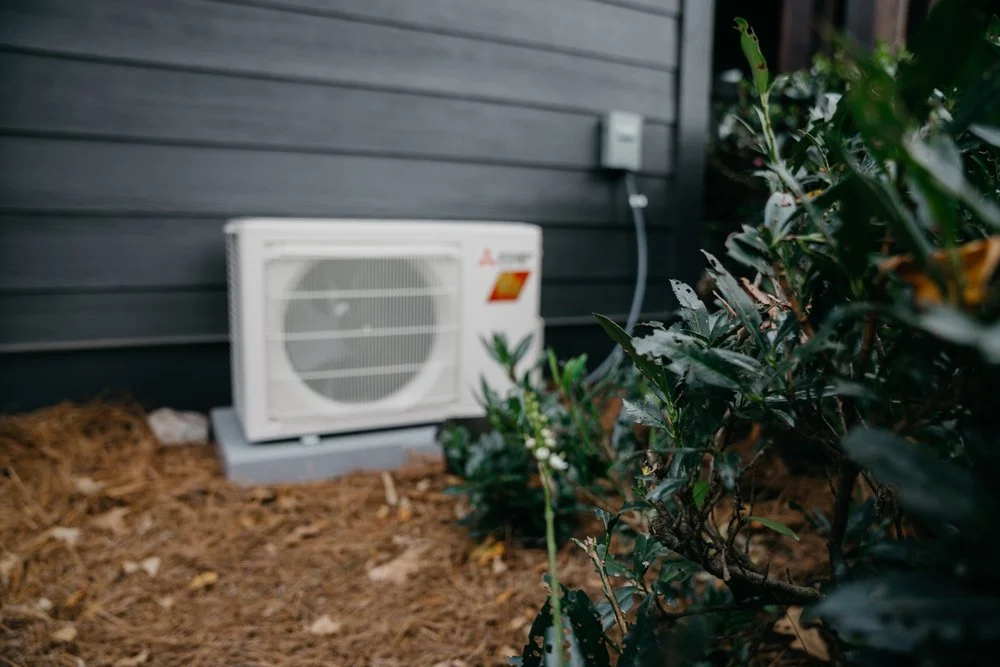
It's November in Southern Maine. The mornings are getting colder, the days are getting shorter, and your heat pump is probably working harder than it was just a few weeks ago.
But you've noticed something different.
Your heat pump seems to be running all the time. You hear the fan throughout the day, and even after your home reaches a comfortable temperature, the system doesn't seem to shut off.
So, is something wrong?
The good news is that a heat pump running for long periods during colder weather is often completely normal. In fact, depending on the system, it may be doing exactly what it was designed to do.
Let's explain why that happens, what you should watch for, and when it might be time to have your system checked.
1. Heat Pumps Work Differently Than Traditional Heating Systems
If you've previously heated your home with an oil furnace, propane system, or traditional boiler, you might be used to your heating system turning on, warming the house, and shutting off.
Many modern heat pumps operate differently.
Instead of producing heat by burning fuel, heat pumps transfer heat from the outdoor air into your home. And many newer systems use something called inverter technology.
In simple terms, an inverter allows the heat pump to adjust its output depending on how much heating your home needs.
Think of it like driving a car.
Instead of constantly accelerating and braking, your heat pump can maintain a steady speed to keep your home comfortable.
That means your system may operate for hours at a lower output rather than repeatedly turning on and off.
And that's not necessarily a bad thing!
In fact, steady operation can help maintain consistent indoor temperatures and improve efficiency compared with frequent cycling under many conditions.
2. Why Your Heat Pump Runs Longer During Maine Winters
As outdoor temperatures drop, your home loses heat more quickly through windows, walls, doors, and other areas.
Your heat pump needs to replace that lost warmth.
During a mild October afternoon, your system might only need to run at a low output to maintain the temperature.
But once November arrives and overnight temperatures begin dropping, the heating demand increases.
Here are a few reasons your heat pump may run longer:
Colder outdoor temperatures: Your system has to work harder to move heat into your home as temperatures fall.
Heat loss: Older windows, insufficient insulation, and air leaks can cause your home to lose warmth faster.
Thermostat settings: Increasing the temperature several degrees can require an extended heating cycle.
System capacity: Your heat pump adjusts its output based on its available capacity and your home's heating needs.
For homeowners in Portland, South Portland, Scarborough, Windham, and surrounding Southern Maine communities, these changes become especially noticeable as the heating season progresses.
The important thing to remember is that running longer doesn't automatically mean your system is wasting energy or malfunctioning.
3. When Is Constant Operation Normal?
Here's a simple way to think about it.
If your heat pump is running for long periods but your home remains comfortable, the system may simply be maintaining the temperature efficiently.
Some reassuring signs include:
Your home reaches and maintains your desired temperature.
The system produces comfortably warm air while actively heating.
There are no unusual noises or error messages.
Airflow feels consistent.
Your electricity usage is reasonably consistent with the weather and your heating needs.
You might also notice the indoor fan continuing to operate even when the system isn't actively delivering much heat.
Depending on the model and settings, this can be part of normal operation.
A heat pump doesn't always need to shut off completely to be working properly.
4. Five Signs Your Heat Pump Might Need Attention
While extended operation can be normal, there are situations where your system may be struggling.
Here are five signs worth paying attention to.
1. Your Home Never Reaches the Set Temperature
If your thermostat is set to 70°F but your home remains at 63°F for hours, something may need attention.
Possible causes include airflow restrictions, equipment problems, heat loss, or a system that cannot meet the current heating demand.
2. Your Heat Pump Is Running but Not Producing Enough Heat
During normal heating operation, you should generally notice warm air coming from your indoor unit.
If the air consistently feels cool and your room isn't warming up, it may indicate an issue.
Keep in mind that heat pumps can temporarily pause heating during defrost cycles.
3. Your Electricity Bill Increases Unexpectedly
It's normal for electricity consumption to increase as heating demand rises.
However, an unusually large increase that doesn't match the weather or your household's usage could be worth investigating.
Restricted airflow, equipment problems, and inefficient operation can all contribute to higher energy consumption.
4. You're Hearing Unusual Noises
Heat pumps make normal operating sounds, including gentle humming, clicking, and occasional changes in fan speed.
But loud grinding, persistent rattling, or unusual buzzing shouldn't be ignored.
If a sound is new, persistent, or noticeably different from normal operation, consider having the system inspected.
5. Your Outdoor Unit Is Covered in Heavy Ice
A little frost on your outdoor unit during cold, damp weather is normal.
Your heat pump has a defrost function designed to periodically remove frost from the outdoor coil.
However, heavy ice that continues building up, doesn't clear, or obstructs the fan can indicate a problem.
If that happens, avoid chipping the ice off yourself, as you could damage the equipment.
5. What You Can Check Before Calling a Technician
Before assuming something is wrong, there are a few simple things you can check.
Check your air filters.
Dirty filters can restrict airflow and make it harder for your system to distribute heat effectively. Follow your manufacturer's instructions for cleaning or replacing them.
Check your thermostat or remote settings.
Make sure the system is in HEAT mode and the temperature is set appropriately. Avoid repeatedly raising and lowering the setting while trying to warm the house.
Look around your outdoor unit.
Leaves, debris, and snow can obstruct airflow. Keep the area around your outdoor unit clear according to the manufacturer's clearance requirements.
Give your system time.
If you've just raised the temperature, your heat pump may need some time to bring the room up to the new setting, especially when it's cold outside.
Pay attention to changes.
If your system has always operated for long periods and your home stays comfortable, that may be normal.
If it suddenly starts behaving differently, that's a better reason to investigate.
6. Why Regular Maintenance Still Matters
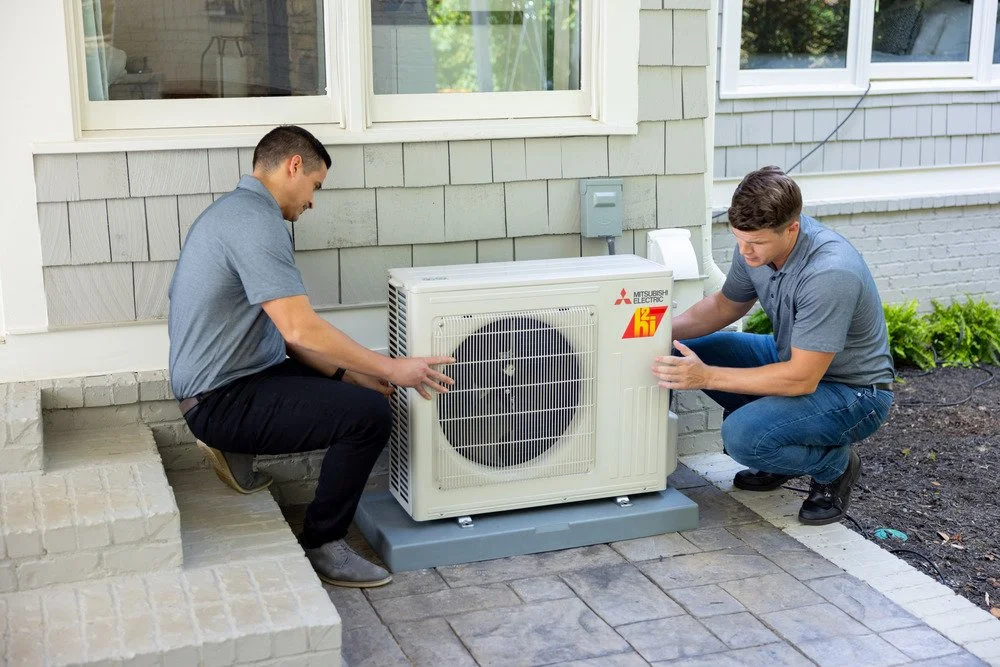
Even when your heat pump appears to be working properly, routine maintenance is important.
Over time, dust, dirt, and debris can accumulate inside your system, potentially restricting airflow and affecting performance.
A professional service appointment can help identify issues such as:
Dirty indoor coils or blower components
Restricted airflow
Drainage problems
Abnormal system operation
Outdoor unit obstructions or equipment concerns
At Only Heat Pumps Maine, we work exclusively with heat pump systems, helping Southern Maine homeowners keep their equipment operating properly throughout the year.
If your heat pump has been running constantly and you're unsure whether that's normal, we're happy to help you figure out what's going on.
7. The Bottom Line: Running Constantly Doesn't Always Mean Something Is Wrong
If there's one thing to remember this November, it's this:
A heat pump that runs for long periods isn't necessarily an inefficient or broken heat pump.
Modern systems are often designed to operate steadily, adjusting their output to maintain a comfortable indoor temperature.
What matters most is how well your system is heating your home.
If you're comfortable, your equipment sounds normal, and there are no unusual warning signs, extended operation may simply be part of how your heat pump works.
But if your home isn't warming up, you're noticing unusual sounds, or something feels different from previous heating seasons, it's worth getting a professional opinion.
At Only Heat Pumps Maine, we're here to help homeowners understand their systems and feel confident heading into winter.
Proudly serving Southern Maine.
Frequently Asked Questions
Is it normal for a mini split to run 24/7 in winter?
Yes, it can be normal for an inverter-driven mini split to run continuously or nearly continuously during cold weather. These systems can adjust their output to maintain a steady temperature. However, if your home isn't reaching the desired temperature, the system may need attention.
Does a heat pump use more electricity when it's running constantly?
Not necessarily. Electricity consumption depends on the system's power draw, heating demand, outdoor temperature, and operating conditions. A variable-speed heat pump running at low output can use less electricity than one operating at maximum output for the same period.
Should I turn off my heat pump to give it a break?
Generally, no. Heat pumps are designed for extended operation. Turning the system off unnecessarily may allow your home to cool down and require additional heating when you restart it. Follow the manufacturer's guidance for your specific system.
Why does my heat pump run even after reaching the set temperature?
Many inverter-driven systems reduce their heating output rather than shutting off immediately. Some indoor fans may also continue running depending on the model and settings.
When should I call a professional?
If your heat pump isn't reaching the set temperature, consistently blows cool air during heating, develops unusual noises, displays error codes, or accumulates excessive ice, a professional inspection is a good idea.
