
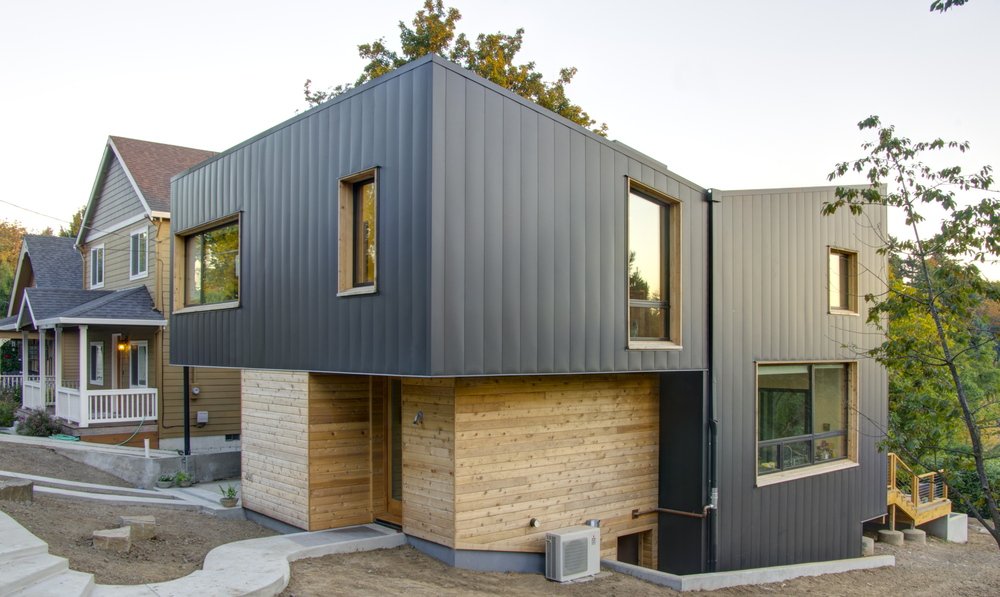
November in Southern Maine brings a familiar problem for many homeowners: the upstairs feels perfectly comfortable, but the downstairs is still chilly.
Maybe your bedrooms are warm enough that you're kicking off the blankets, while the living room feels like it could use another layer. Or perhaps you've noticed that one side of your home heats up quickly while another never seems to catch up.
It's tempting to assume your heating system isn't doing its job.
But uneven heating isn't always an equipment problem. Sometimes, it's the way your home is built, how air moves between rooms, or where your heating system delivers warmth.
Here at Only Heat Pumps, we believe understanding why something is happening is the first step toward finding the right solution.
So, before you turn up the thermostat again, let's look at six reasons your Maine home might be heating unevenly.
1. Warm Air Rises, and Your Staircase Can Change Everything
One of the biggest factors in uneven heating is something we all learned in school: warm air rises.
More specifically, warmer air is generally less dense than cooler air, and temperature differences can create natural air movement throughout a house.
In a two-story home, this can cause warm air to collect upstairs while cooler air settles in lower areas.
Now think about a typical Southern Maine home.
Maybe there's a staircase near the living room, an open hallway leading to the second floor, or a large entryway connecting multiple spaces.
These features can influence where heated air travels.
For homeowners using ductless heat pumps, this is especially important. An indoor unit positioned near an open staircase may send some of its warmth upstairs instead of distributing it across the entire first floor.
What can you do?
Pay attention to where warm air travels. If your heating system is near a staircase, notice whether the upper floor becomes comfortable before nearby downstairs rooms.
This observation can be helpful when determining whether airflow adjustments or a different heating arrangement might improve comfort.
2. Older Maine Homes Weren't Always Designed for Modern Heating
Southern Maine has no shortage of beautiful older homes.
From historic Portland houses to traditional New England homes in Biddeford, Saco, and Westbrook, many properties have unique layouts and architectural details.
But those layouts can create heating challenges.
Older homes may have:
Smaller rooms separated by doors.
Narrow hallways that limit airflow.
Additions built decades after the original structure.
Different insulation levels throughout the house.
Drafty windows or gaps around older framing.
A heating system can be working correctly while certain rooms remain noticeably colder.
For example, a ductless heat pump installed in an open living room may heat that space effectively, but a nearby bedroom separated by a hallway and closed door might receive very little of that warmth.
What can you do?
Take note of which rooms stay cold and how they're connected to the rest of the home.
Sometimes, improving airflow helps. Other times, the room may need its own heating source or additional insulation.
The important thing is understanding the reason before investing in equipment.
3. Your Insulation Might Be Part of the Problem
Here's something homeowners don't always consider:
Your heating system can only do so much if your home is constantly losing warmth.
Insulation and air sealing help your home retain the heat your system produces.
When insulation is missing, uneven, or inadequate, certain rooms may lose heat faster than others.
This can be especially noticeable in November as outdoor temperatures begin dropping more consistently.
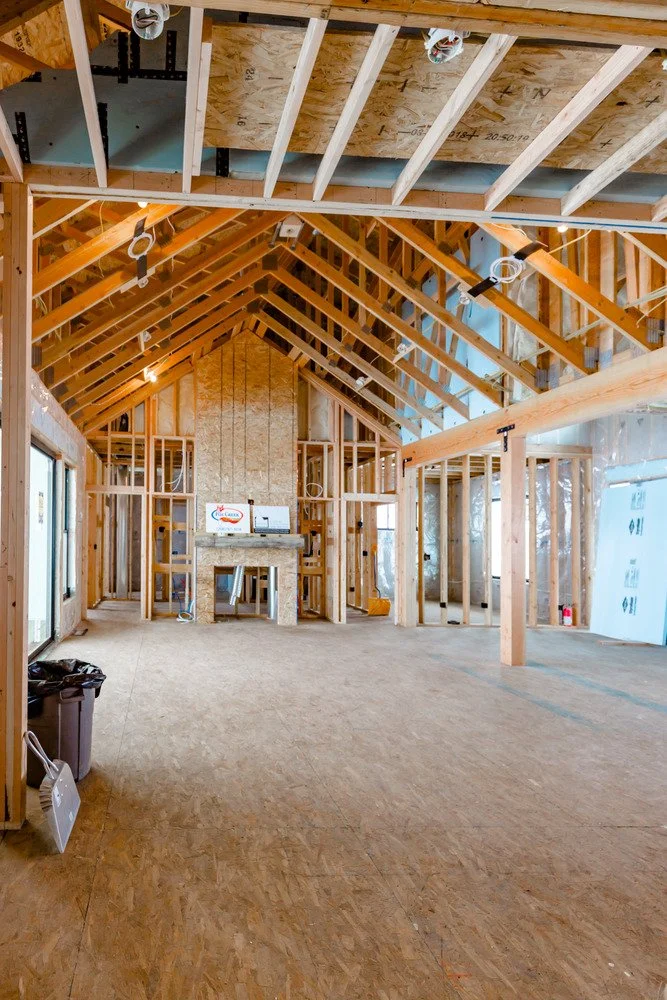
Common problem areas include:
Attics with insufficient insulation.
Exterior walls in older sections of the home.
Basement rim joists and foundation areas.
Drafty windows and exterior doors.
Rooms located above unheated garages or crawl spaces.
Imagine two bedrooms set to the same temperature.
One is located above a heated living room, while the other sits over an unheated garage.
Even with similar heating equipment, those rooms may feel very different because of how quickly they lose heat.
What can you do?
Look for noticeable drafts, cold floors, or rooms that cool down unusually quickly after the heating stops.
If you suspect insulation or air leakage is contributing to the problem, a home energy assessment can help identify where improvements may have the greatest impact.
4. Heat Pump Placement Matters More Than You Might Think
One of the biggest advantages of heat pumps is their ability to provide efficient heating in Maine's cold climate.
But even a properly functioning heat pump can struggle to heat areas that are difficult for warm air to reach.
Think about a wall-mounted indoor unit.
It's designed to move conditioned air throughout the space it serves. However, that doesn't mean the warm air will automatically travel around corners, through narrow hallways, or into closed bedrooms.
The location of the unit matters.
So does the direction of the airflow.
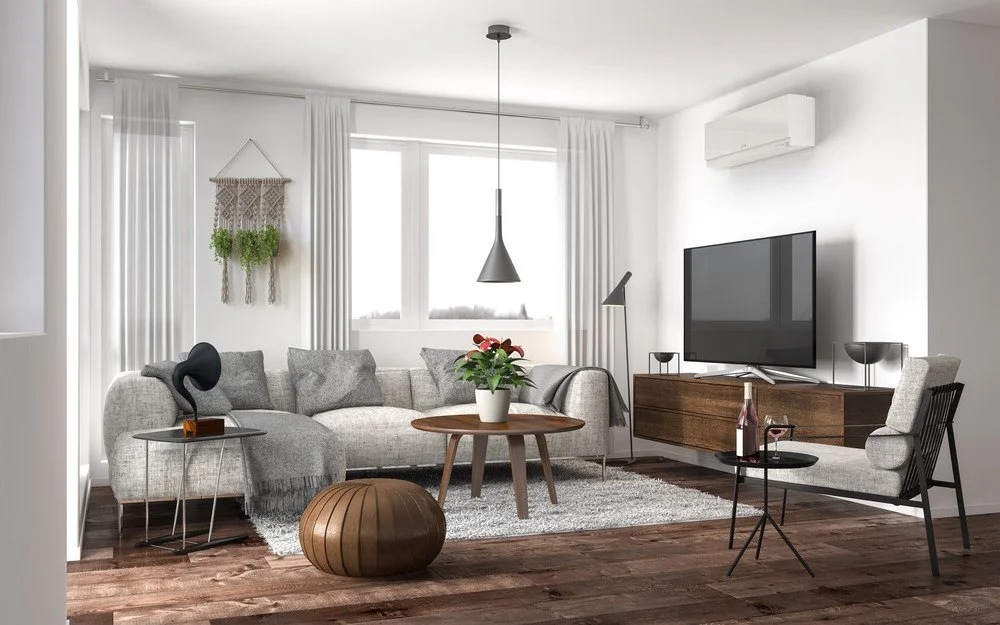
For example:
A heat pump positioned in a large, open living area may comfortably heat the room and nearby connected spaces.
But the same unit may struggle to maintain comfortable temperatures in a bedroom located down a hallway.
That doesn't necessarily mean the heat pump is too small or needs replacing.
It could simply be a distribution issue.
What can you do?
Check whether furniture or other objects are obstructing airflow.
If your system allows adjustable airflow direction, experiment with directing warm air toward the areas you want to heat.
And remember, every home is different. What works in one house might not work in another.
5. Your Heating Systems Might Be Working Against Each Other
This is particularly relevant in Maine, where many homeowners use heat pumps alongside oil, propane, or other existing heating systems.
Having multiple heating sources can provide flexibility, but thermostat placement and heating zones matter.
Here's an example:
Imagine a home with a ductless heat pump in the living room and an oil-fired boiler serving several rooms.
The boiler's thermostat is also located in the living room.
When the heat pump warms that space, the boiler thermostat may decide the house is warm enough and stop calling for heat.
Meanwhile, bedrooms elsewhere in the same heating zone could still be cold.
The result?
One room feels great while another never reaches a comfortable temperature.
This doesn't automatically mean either system is malfunctioning. It may be an issue with how the heating zones interact.
What can you do?
If you're using multiple heating systems, pay attention to where the thermostats are located and which rooms each system serves.
A qualified heating professional can help determine whether your heating zones and controls are working together effectively.
6. Your Home Might Need a Room-by-Room Heating Assessment
Sometimes, uneven heating isn't caused by one obvious issue.
It may be a combination of insulation, room layout, air movement, and heating capacity.
That's where a more detailed assessment becomes useful.
Instead of assuming every room needs the same amount of heat, a room-by-room heat-loss calculation considers factors such as:
Room size and ceiling height.
Window area and insulation.
Exterior walls and exposure.
Air leakage and ventilation.
Local winter design temperatures.
How much heat each room needs to stay comfortable.
This information can help determine whether the existing system is appropriately sized and whether changes to heating distribution are necessary.
At Only Heat Pumps, we believe homeowners should understand their options before making major decisions.
Sometimes, a small adjustment can improve comfort.
Other times, an additional heating zone, improved insulation, or a different system design may be worth considering.
The right solution depends on the home.
7. Five Things You Can Check Before Calling a Professional
If your upstairs and downstairs temperatures feel noticeably different this November, here are a few simple things you can try.
1. Compare actual room temperatures.
Use a separate room thermometer to measure temperatures upstairs and downstairs at roughly the same time.
2. Check for obvious drafts.
Pay attention to windows, exterior doors, and areas where cold air seems to enter.
3. Look for airflow obstructions.
Make sure furniture, curtains, and other objects aren't blocking your indoor heating equipment or supply vents.
4. Observe how open and closed doors affect comfort.
If a room gets noticeably colder when its door is closed, limited heat distribution may be contributing to the problem.
5. Keep track of when the problem occurs.
Does the downstairs feel cold only in the morning? Does one room become uncomfortable when temperatures drop below freezing?
These details can help identify patterns and make troubleshooting easier.
If the problem continues, a professional assessment can help you avoid spending money on a solution that doesn't address the underlying cause.
8. Why November Is a Good Time to Pay Attention
November is an important transition month for Southern Maine homeowners.
We're moving away from occasional chilly evenings and into a season when our heating systems become part of everyday life.
This is often when differences between rooms become easier to notice.
A room that felt fine during a mild October afternoon might feel significantly colder during a November morning.
And as the heating season continues, those comfort differences can become more frustrating.
Rather than repeatedly adjusting the thermostat, take some time to understand how your home responds to colder weather.
You might discover that the solution isn't simply adding more heat, but making better use of the heat you already have.
9. Frequently Asked Questions
Why is my upstairs warmer than my downstairs during winter?
Warm air tends to rise, and natural air movement through staircases and openings can contribute to temperature differences. Insulation, drafts, heating system placement, and room layout can also play a role.
Can a heat pump heat both floors of a two-story house?
Sometimes, but it depends on the home's layout, insulation, heating needs, and system design. A single ductless indoor unit may not distribute enough heat throughout every room or floor.
Will turning up my heat pump fix uneven heating?
Not necessarily. Raising the temperature may make the room containing the heat pump warmer without adequately heating distant rooms. It's better to identify whether the problem involves airflow, heat loss, or heating capacity.
Do older Maine homes need multiple heat pumps?
Not always. The appropriate number of indoor units depends on the home's heating loads, floor plan, and desired coverage. Some homes benefit from multiple zones, while others may be well served by a different system configuration.
Should I improve insulation before installing another heat pump?
It's worth evaluating insulation and air leakage first. Reducing heat loss may improve comfort and can change the amount of heating capacity your home requires.
When should I have uneven heating professionally evaluated?
Consider an assessment if certain rooms consistently remain uncomfortable, your heating system struggles during cold weather, or you're planning equipment changes and want to understand your home's heating needs.
A More Comfortable Maine Winter Starts With Understanding Your Home
Every Southern Maine home is a little different.
Some have open layouts that make heating relatively straightforward. Others have older construction, unusual additions, multiple heating systems, or rooms that are simply harder to keep comfortable.
If you've noticed that your upstairs feels warm while your downstairs stays chilly, don't automatically assume your heating system is failing.
There may be a more practical explanation.
At Only Heat Pumps, we help homeowners throughout Southern Maine better understand their heating systems and explore solutions that make sense for their homes.
Whether you're dealing with uneven temperatures, considering a heat pump, or simply trying to make your current system work better, we're here to help.
Have questions about heating your home more comfortably? Give our team a call. We'd be happy to talk through your options.
Proudly serving Southern Maine.
