
Your Heat Pump Is Running Again: What’s Normal and What Isn’t?
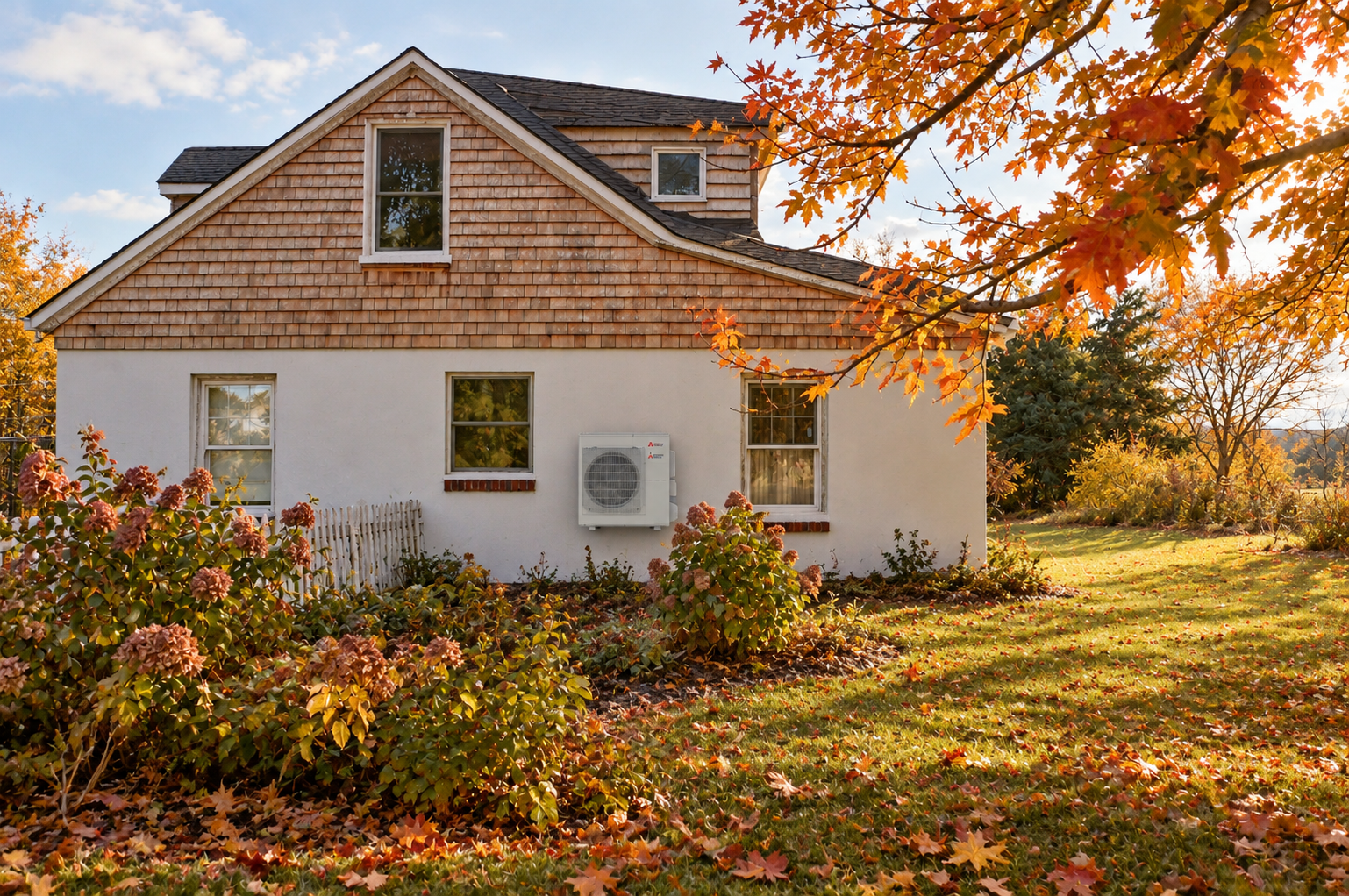
Southern Maine Heat Pump Guide | Fall 2026
The mornings are getting colder, the leaves are changing, and heat pumps across Southern Maine are switching from summer cooling to fall heating.
If you’ve recently turned your heat pump to HEAT for the first time in months, you might notice a few things that seem a little different.
Maybe it’s making a sound you don’t remember. Maybe there’s a slight smell when it first starts. Or maybe it seems like the system is running much longer than you expected.
Before assuming something is wrong, it helps to know that heat pumps behave differently in heating mode than they do while cooling your home.
Here are 7 things that can be completely normal when you start using your heat pump this fall, followed by 5 signs that may be worth having checked out.
7 Things That Can Be Normal
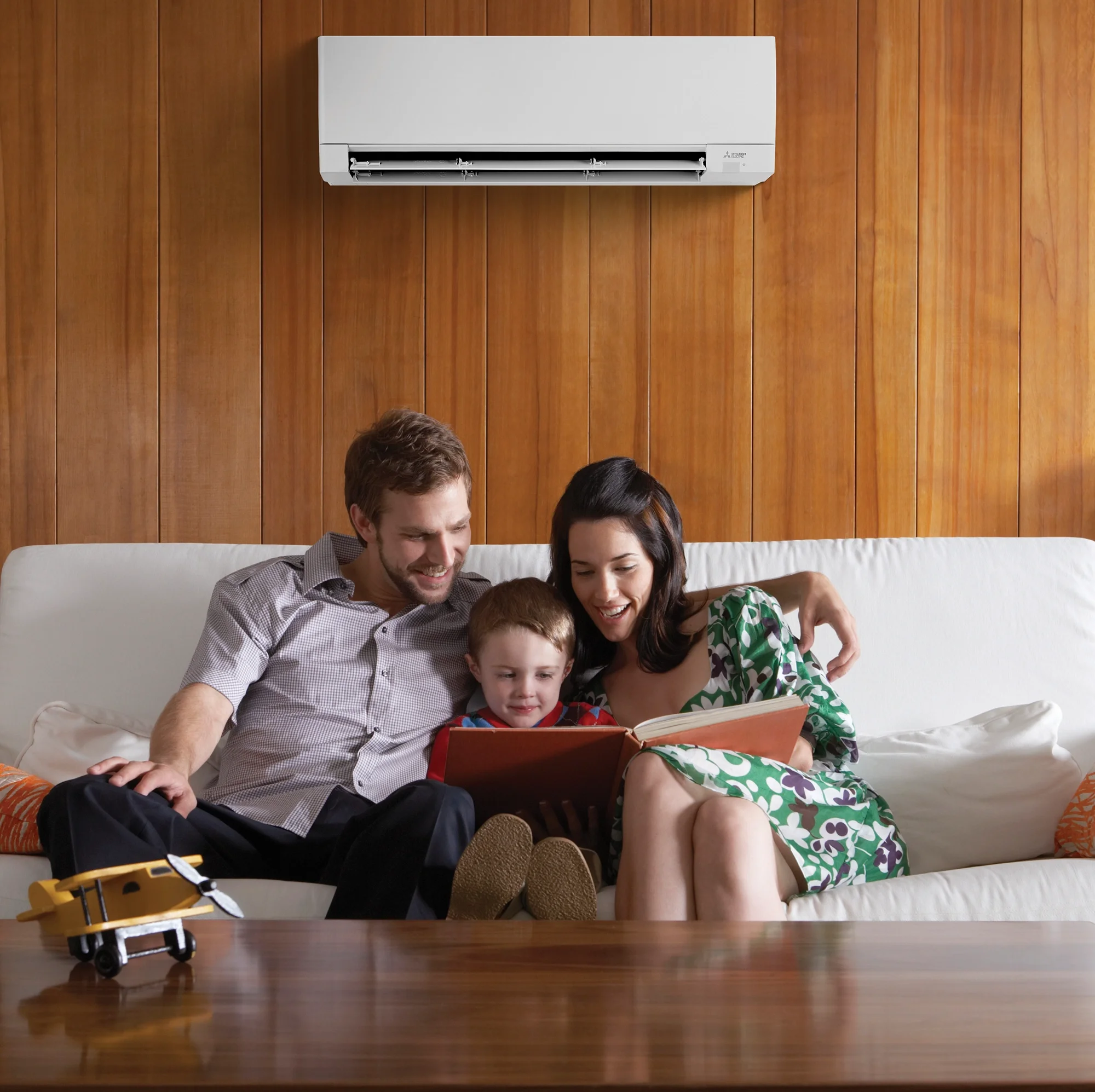
1. Your Heat Pump Runs for Long Periods
One of the biggest misconceptions about heat pumps is that they should operate like a traditional furnace.
Many modern heat pumps are designed to maintain a consistent indoor temperature by running for longer periods at lower output rather than repeatedly turning on and off.
So if your heat pump seems to be running for a while on a cool October morning, that doesn't necessarily mean something is wrong.
What matters more is whether your home is reaching and maintaining the temperature you've selected.
2. The Air Doesn't Feel Extremely Hot
Put your hand in front of a heat pump and you may notice that the air feels warm, but not nearly as hot as the air coming from a traditional furnace or baseboard heater.
That's normal.
Heat pumps typically warm your home gradually and consistently rather than delivering short bursts of extremely hot air.
As long as the room is reaching the temperature you've selected, the system may be operating exactly as intended.
3. You Notice a Slight Smell the First Time You Turn on the Heat
After months of cooling, your system may have accumulated some dust or debris.
When you switch to heating mode for the first time, you might briefly notice a dusty or stale smell.
A mild odor that disappears relatively quickly isn't necessarily cause for concern.
However, persistent musty, burning, electrical, or unusual odors should not be ignored.
4. The Outdoor Unit Produces Water
Seeing water underneath your outdoor heat pump can look alarming, especially if you're used to thinking of water around HVAC equipment as a leak.
But during normal heat pump operation, condensation can occur around the outdoor unit.
Later in the heating season, you may also notice water associated with the system's defrost cycle.
A little water around the outdoor unit can therefore be completely normal.
Large amounts of water in an unusual location, persistent leaking indoors, or water where it shouldn't be is a different story.
5. The System Occasionally Makes Different Sounds
Heat pumps aren't completely silent.
You may hear the compressor start, refrigerant moving through the system, fans changing speeds, or small clicks as the system changes operating conditions.
Some sounds that seem unusual compared with summer operation may simply be part of heating mode.
The important thing is knowing the difference between normal operating sounds and a new mechanical sound.
Grinding, loud rattling, repeated banging, screeching, or a dramatically louder system deserves attention.
6. The Fan Speed Changes on Its Own
If you have a modern mini-split, you may notice the fan getting faster or slower throughout the day.
That's often intentional.
Heat pumps can adjust their output based on how much heating your home needs. On a mild afternoon, the system may operate very quietly. When temperatures drop overnight, it may work harder.
You don't necessarily need to keep adjusting it yourself.
Giving the system a consistent temperature to maintain can often be more comfortable than constantly turning it on, off, up, and down.
7. Different Rooms Heat Differently
Every home is different.
Room size, insulation, windows, ceiling height, airflow, unit placement, and even whether doors are open or closed can affect how quickly a space heats.
Small temperature differences between rooms aren't automatically a sign that your heat pump is failing.
However, if a room that previously heated well suddenly struggles to reach temperature, that's worth investigating.
5 Signs Your Heat Pump May Need Attention
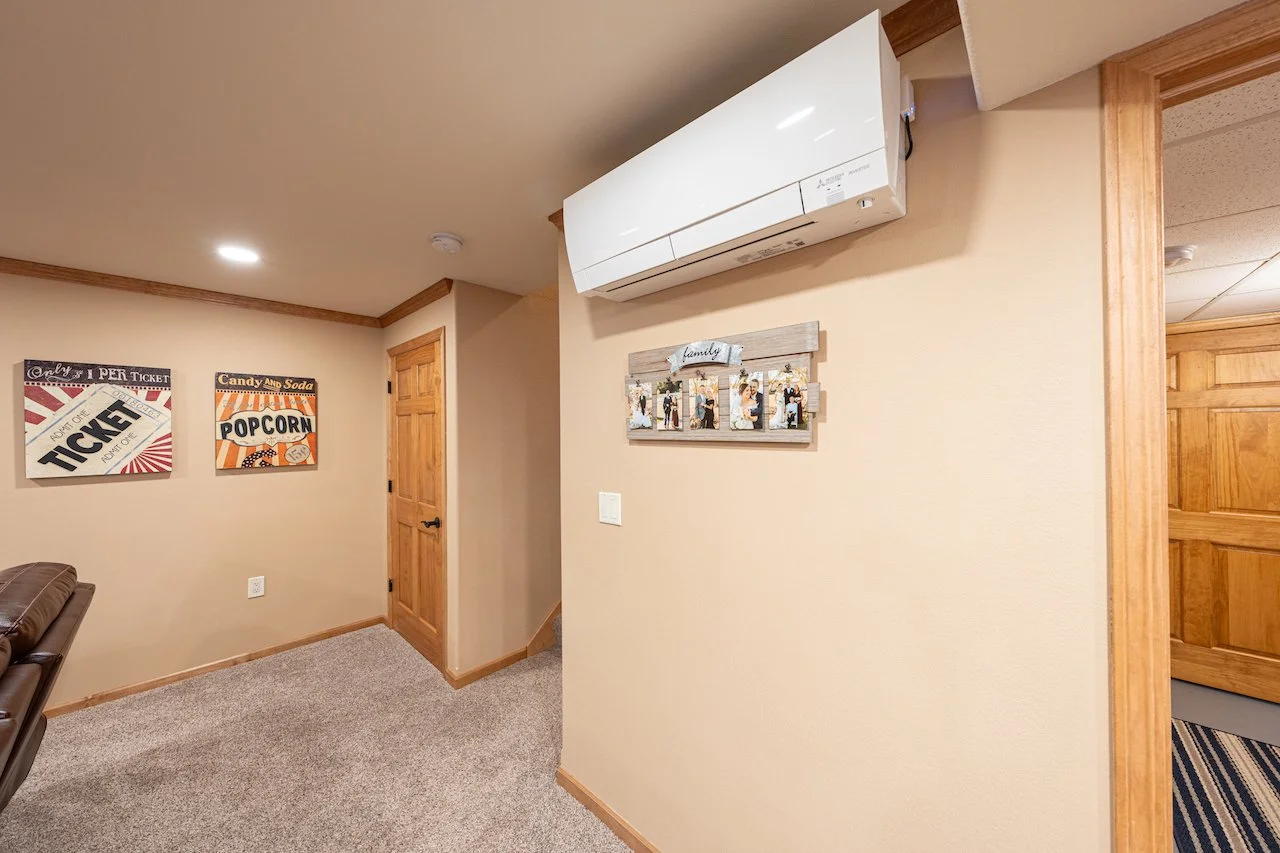
Some heat pump behavior is normal.
Other symptoms shouldn't be ignored, especially before Southern Maine gets into consistently colder weather.
1. It's Blowing Cold Air in HEAT Mode
Give your heat pump a little time when you first switch modes.
But if the system continues blowing cool or cold air while set to HEAT and the room isn't getting warmer, something may need to be checked.
Before calling for service, make sure the remote or thermostat is actually set to HEAT rather than COOL, DRY, FAN, or AUTO.
2. Your Home Can't Reach the Set Temperature
If you've set the heat pump to 68°F but the room consistently stays at 60°F or 62°F, don't just keep increasing the thermostat.
Something else may be going on.
Dirty filters, restricted airflow, maintenance issues, system sizing, insulation, outdoor conditions, or equipment problems can all affect heating performance.
The thermostat setting alone doesn't tell the whole story.
3. There's a Persistent Musty or Unusual Smell
A brief dusty smell after months without using heating mode can happen.
A smell that doesn't go away is different.
Heat pumps move a lot of air, which means the condition of the filters, blower wheel, coil, drain components, and other internal surfaces matters.
If you're noticing persistent odors whenever the system operates, it's worth finding out where they're coming from rather than trying to cover them up.
4. You're Hearing New Loud Noises
You know what your heat pump normally sounds like.
If it suddenly starts rattling, grinding, banging, squealing, or making another loud mechanical noise, pay attention.
New noises can sometimes provide an early warning that something isn't operating correctly.
Having the problem looked at early may also prevent a small issue from becoming a much more inconvenient one during colder weather.
5. Performance Has Changed Since Last Winter
Sometimes the biggest warning sign isn't dramatic.
It's simply that your heat pump doesn't seem to work as well as it used to.
Maybe the room takes longer to warm up.
Maybe airflow feels weaker.
Maybe you're adjusting the temperature more frequently.
Or maybe one unit in your home just doesn't seem to keep up anymore.
If you remember your system performing better last winter, that's a good reason to have it inspected.
The Best Time to Find a Problem Is Before Winter
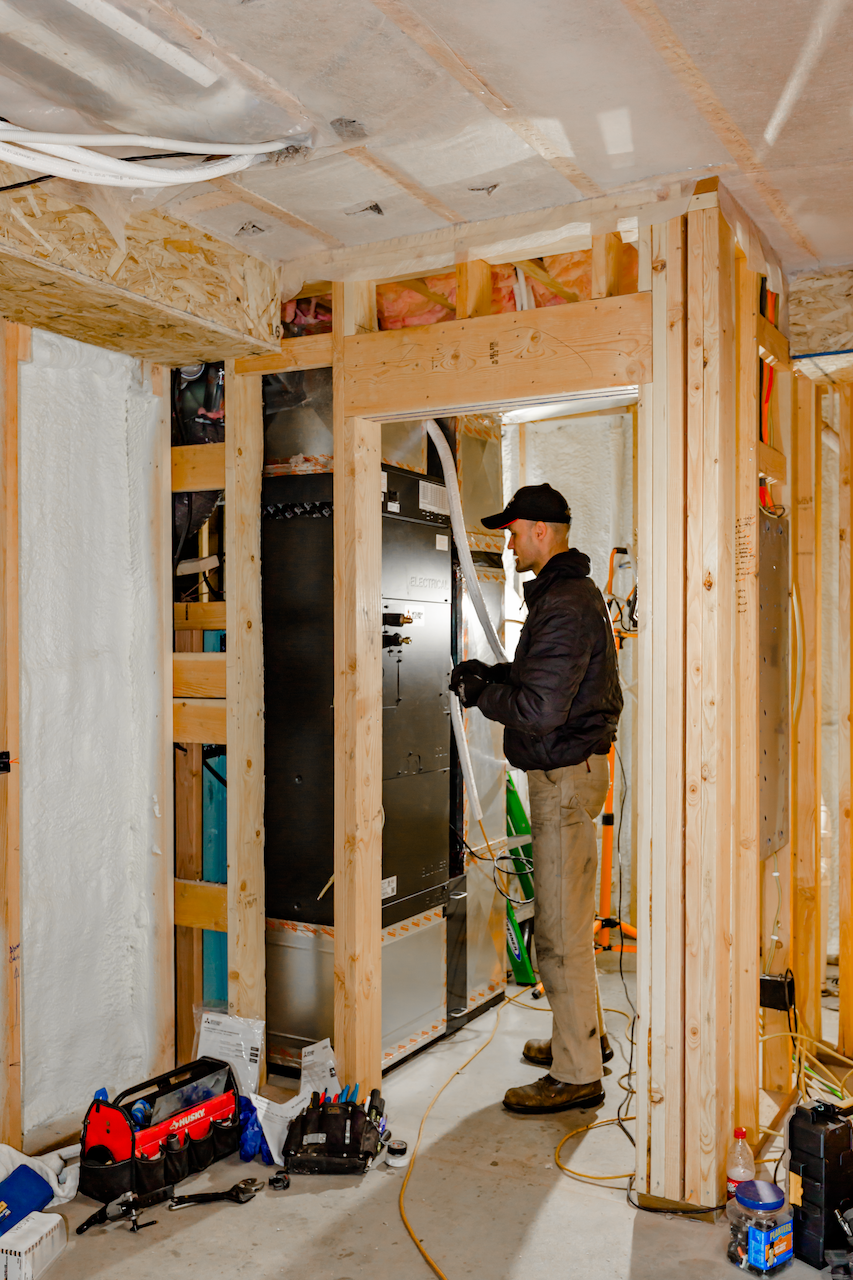
October gives Southern Maine homeowners an important window.
We're beginning to rely on our heating systems again, but we haven't reached the coldest part of the year yet.
That makes now a good time to pay attention to how your heat pump is behaving.
Turn it to HEAT.
Listen to it.
Check your filters.
Walk outside and look around the outdoor unit.
Make sure each indoor unit is actually warming the space it's supposed to.
And most importantly, don't wait for the first truly freezing night to discover something isn't working correctly.
If everything seems normal, great. Let the system do its job.
If something doesn't seem right, Only Heat Pumps can help determine whether what you're seeing is normal operation or something that needs attention.
We install, clean, service, and troubleshoot heat pump systems throughout Southern Maine.
Have a heat pump question or notice something unusual?
Visit onlyheatpumps.me or call 207-870-7710.
Frequently Asked Questions
Is it normal for a heat pump to run constantly in the fall?
Heat pumps can run for long periods because many systems are designed to maintain a steady temperature rather than repeatedly turning completely on and off. Long run times alone don't necessarily indicate a problem. If the system runs continuously but your home can't reach the selected temperature, however, it may be worth having it checked.
Why isn't the air coming from my heat pump very hot?
Heat pumps generally deliver heat differently from furnaces and other traditional heating systems. The air may feel warm rather than extremely hot. The better test is whether the system can comfortably bring the room to the temperature you've selected.
Why does my heat pump smell when I turn the heat on?
A temporary dusty or stale smell can occur when a system hasn't operated in heating mode for several months. Persistent musty, burning, electrical, or other unusual odors should be investigated.
Is water around my outdoor heat pump normal?
Some water around an outdoor heat pump can be normal due to condensation and, during colder conditions, defrost operation. Unusual amounts of water or indoor leaking should be investigated.
When should I have my heat pump serviced?
If you notice reduced heating performance, unusual noises, persistent odors, weak airflow, leaking, or difficulty maintaining temperature, it's worth having the system inspected. Routine maintenance and cleaning can also help identify potential issues before they become more noticeable during colder weather.
Should I use AUTO or HEAT mode during fall?
If you're primarily trying to warm your home, selecting HEAT gives the system a clear instruction to provide heating. AUTO mode can behave differently depending on the equipment and settings. Homeowners should check the recommendations for their particular system.
What temperature should I set my heat pump to in the fall?
There's no single temperature that's right for every home. Choose a comfortable setting and try to keep it relatively consistent rather than
