
Can You Add a Heat Pump Without Replacing Your Existing Heating System? A Southern Maine Homeowner's Guide
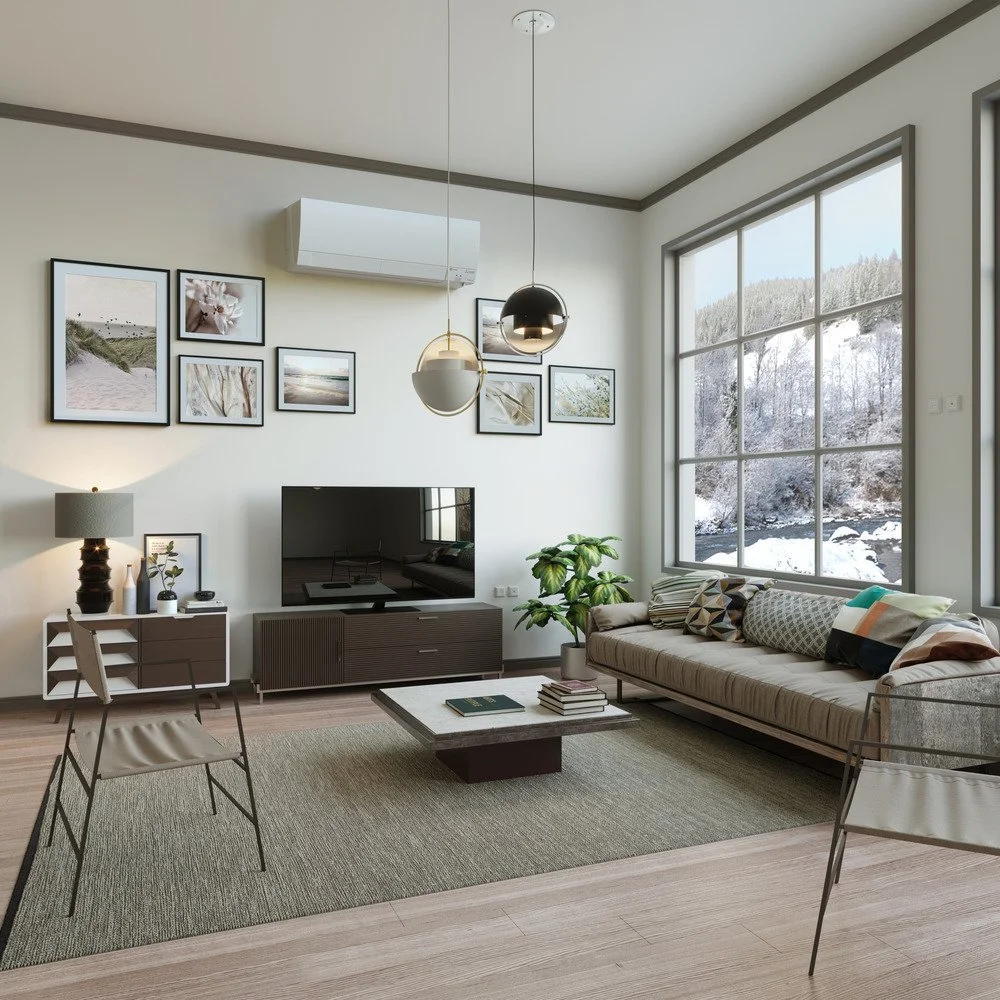
If you live in Southern Maine, there's a good chance your home has relied on an oil furnace, propane system, or traditional boiler for years, maybe even decades.
And if that system is still working, replacing it entirely might not be at the top of your priority list.
But what if you could enjoy the benefits of a modern heat pump without saying goodbye to the heating system you already have?
The good news is that, in many cases, you absolutely can.
Heat pumps have become an increasingly popular option for homeowners throughout Portland, South Portland, Cape Elizabeth, Falmouth, Scarborough, and the surrounding Southern Maine communities. They offer efficient heating, air conditioning during the summer, and more control over indoor comfort.
What many homeowners don't realize is that installing a heat pump doesn't always require removing their existing heating equipment.
In fact, depending on your home's layout, heating needs, and long-term goals, keeping your current system while adding a heat pump could be a practical solution.
Let's explore how it works, what your options are, and what you should consider before making the switch.
1. How Can a Heat Pump Work With Your Existing Heating System?
One of the biggest misconceptions about heat pumps is that they're an all-or-nothing upgrade.
Homeowners sometimes assume that installing one means removing their oil boiler, disconnecting their baseboards, or completely changing how their home is heated.
That's not necessarily the case.
A heat pump can often be installed as a separate heating and cooling system while your existing equipment remains in place.
For example, imagine you own an older home in Portland with an oil-fired boiler and hot-water baseboard heating.
Your boiler has been keeping the house warm for years, but you're interested in reducing oil consumption and adding air conditioning for the summer.
Instead of removing your boiler, you might install a ductless heat pump in your main living area.
The heat pump can provide heating for that space, while the existing boiler remains available for other rooms or as backup.
The important part is understanding how the two systems will operate together.
Supplemental Heating vs. Primary Heating
There are two common approaches:
Supplemental heating: The heat pump provides heating in selected rooms or areas, while the existing system continues to serve other parts of the home or operates when needed.
Primary heat pump heating: The heat pump system is designed to handle most or all of the home's heating needs, while the existing furnace or boiler may be retained for emergency backup.
Both approaches can be useful, but they have different implications for system design, operating costs, and available rebates.
The best choice depends on what you're trying to accomplish.
2. Can You Install a Heat Pump With an Oil Furnace or Boiler?
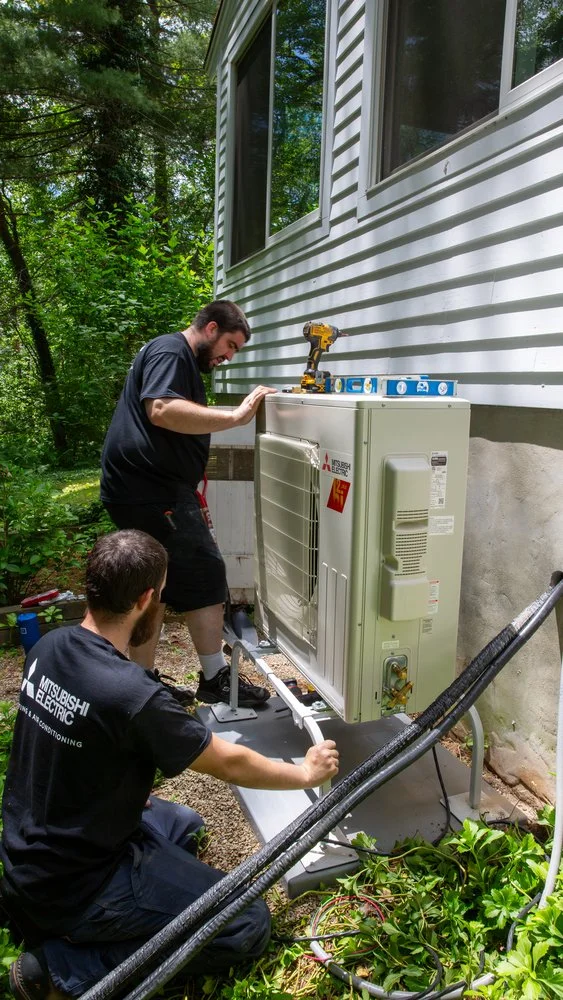
Absolutely. This is one of the most common situations homeowners encounter when considering a heat pump upgrade in Maine.
Many older homes throughout Southern Maine still rely on oil-fired heating systems, particularly homes with radiators or hot-water baseboards.
Fortunately, ductless heat pumps don't require those systems to be removed.
Keeping Your Oil Boiler
If your home has an oil boiler, a ductless mini-split can provide heating and cooling independently of the existing hydronic system.
That means you can use the heat pump to maintain comfortable temperatures in frequently occupied areas while keeping the boiler available for other heating needs.
For example, a homeowner might use a heat pump in the living room and kitchen while the boiler continues to heat bedrooms or other spaces that the heat pump doesn't adequately reach.
However, there's one important detail to understand.
If both systems are heating the same space simultaneously, you may end up using more energy than necessary.
That's why thermostat settings, heating zones, and proper system planning matter.
A professional assessment can help determine how to coordinate the equipment without sacrificing comfort.
What About Oil Furnaces?
Homes with forced-air oil furnaces may also be candidates for heat pump installations.
Depending on the existing ductwork, homeowners might consider a ducted heat pump system or a separate ductless installation.
Some systems can be designed with coordinated heating controls, but compatibility varies by equipment.
Not every existing furnace can simply be paired with a heat pump.
An experienced installer should evaluate the equipment, ductwork, electrical requirements, and heating capacity before recommending a configuration.
3. What If Your Home Uses Propane or Electric Baseboard Heating?
Oil isn't the only heating source that can coexist with a heat pump.
Propane Heating Systems
If your home currently uses propane, installing a heat pump may help reduce the amount of propane needed for space heating.
Cold-climate heat pumps transfer heat rather than generating it through combustion, allowing them to deliver more heating energy than the electrical energy they consume.
Depending on energy prices and system performance, this can make them an economical option.
You may choose to retain your propane equipment while using heat pumps for everyday comfort.
Electric Baseboard Heating
Homes with electric resistance baseboards can also benefit from heat pump installations.
Traditional electric baseboards convert electricity directly into heat.
Heat pumps, on the other hand, move heat from outdoors into the home, allowing them to deliver substantially more heat per unit of electricity under suitable operating conditions.
This means homeowners who rely on electric baseboards may see meaningful energy savings after adding a properly sized heat pump.
Existing baseboards can sometimes remain available for supplemental heating in rooms that need additional coverage.
What About Homes With Radiators?
If your home has traditional hot-water radiators, you may still be able to add ductless heat pumps without modifying the radiator system.
The heat pumps and radiators would generally operate as separate heating systems.
This can be especially useful in older Maine homes where completely replacing the existing heating distribution system would be disruptive or expensive.
4. Can Heat Pumps Really Handle Southern Maine Winters?
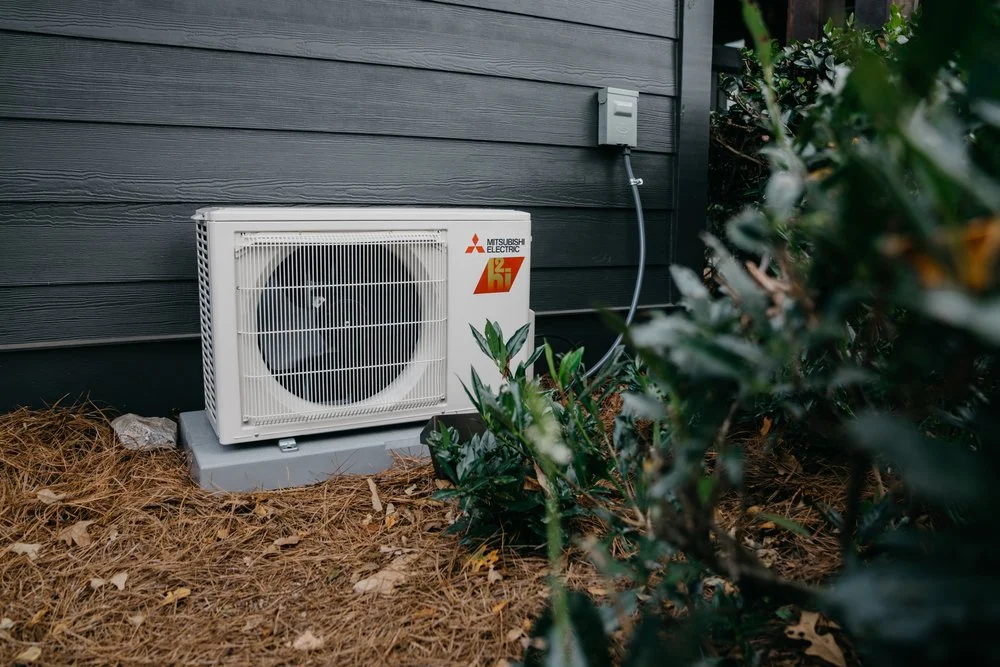
This is probably one of the most common questions we hear about heat pump technology.
And it's understandable.
Maine winters aren't exactly mild.
Between freezing temperatures, snowstorms, and extended periods of cold weather, homeowners need heating systems they can rely on.
Fortunately, modern cold-climate heat pumps are designed to operate in conditions much colder than many people expect.
According to Efficiency Maine, many high-performance heat pumps can provide heating at outdoor temperatures as low as -22°F or below, depending on the model.
That doesn't mean every heat pump performs identically or maintains its full heating capacity at every temperature.
As outdoor temperatures drop, the available heating capacity and efficiency of a particular system can change.
That's why choosing equipment specifically designed for Maine's climate is important.
Do You Still Need Your Old Heating System as Backup?
Not necessarily.
A properly designed whole-home cold-climate heat pump system can heat a Maine home without relying on a separate fossil-fuel heating system.
However, some homeowners prefer retaining their existing equipment for emergency backup, particularly when it's still in good working condition.
Others may choose a partial installation that heats only certain areas of the house.
Whether backup heating is necessary depends on factors such as:
Your home's insulation and air sealing
The size and layout of the property
The heat pump's heating capacity at low temperatures
The number and placement of indoor units
Your preferred indoor temperatures
Your existing heating system
Rather than assuming every Maine home needs the same setup, it's better to evaluate the property individually.
5. Could Adding a Heat Pump Lower Your Heating Bills?
For many homeowners, the possibility of lowering heating costs is one of the biggest reasons to consider a heat pump.
But the answer depends on several factors.
Your potential savings will be influenced by your current heating fuel, electricity rates, insulation, equipment efficiency, and how much of your heating demand the heat pump actually covers.
Why Heat Pumps Can Be More Efficient
Traditional oil and propane systems generate heat by burning fuel.
Heat pumps operate differently.
Instead of creating heat through combustion, they transfer existing heat from the outdoor air into your home.
Even when it's cold outside, the air still contains thermal energy that a properly designed heat pump can extract.
Under favorable operating conditions, a heat pump can deliver two to four units of heat for every unit of electricity consumed.
Its efficiency varies with outdoor temperature, equipment selection, and operating conditions.
The Importance of How You Use Your Heat Pump
Installing a heat pump is only part of the equation.
How you use it matters, too.
For example, if your oil boiler continues heating the same rooms to the same temperature as your heat pump, the heat pump may not displace much oil consumption.
On the other hand, allowing the heat pump to serve as the primary heating source in its designated area can reduce the demand placed on your existing system.
Proper thermostat settings and an intentional heating strategy can make a meaningful difference.
What About Upfront Costs?
Installation costs vary depending on the number of indoor units, equipment type, electrical work, installation complexity, and the size of your home.
A single-zone ductless installation may be appropriate for one area, while a larger home could benefit from multiple units or a ducted configuration.
Rather than choosing equipment based on price alone, homeowners should consider the overall value of the system, including comfort, heating coverage, energy efficiency, and long-term operating costs.
6. Are There Efficiency Maine Heat Pump Rebates in 2026?
Yes. Efficiency Maine continues to offer residential heat pump incentives in 2026, although eligibility depends on the type of installation, household qualifications, and how the heat pumps will be used.
This is particularly important for homeowners who want to retain an existing oil or propane system.
Whole-Home Heat Pump Rebates
Under Efficiency Maine's current residential program, qualifying whole-home heat pump installations may be eligible for rebates based on household income and eligible equipment.
For certain qualifying systems, lifetime rebate limits can reach:
Up to $3,000 for homeowners in the any-income category
Up to $6,000 for qualifying moderate-income households
Up to $9,000 for qualifying low-income households
However, these rebates come with specific requirements.
For the standard residential heat pump rebate program, heat pumps must be designed to serve as the home's primary heating system.
In existing homes, a retained fossil-fuel boiler or furnace generally must be reserved for emergency backup rather than routine heating.
Other equipment, sizing, installation, and vendor requirements also apply.
What If You're Only Adding One Heat Pump?
A supplemental heat pump installation doesn't automatically qualify for the same incentives as a whole-home installation.
Efficiency Maine also has a separate supplemental heat pump rebate program for certain eligible low-income households.
Because the rules differ, homeowners should confirm eligibility before making installation decisions.
For the latest program details, visit Efficiency Maine's residential heat pump rebate page.
Important: You may be able to keep your existing heating equipment even if your installation doesn't qualify for a particular rebate. Installation compatibility and rebate eligibility are two different questions.
7. Should You Keep Your Existing Heating System or Replace It Entirely?
There's no universal answer.
Some homeowners have a relatively new boiler that works perfectly well. Others are dealing with aging equipment, expensive repairs, or heating systems that no longer meet their needs.
Before deciding, consider these three scenarios.
Scenario A: Your Existing Heating System Works Well
If your furnace or boiler is relatively new and functioning properly, adding a heat pump may allow you to improve comfort and introduce air conditioning without immediately replacing your current equipment.
This approach can be attractive to homeowners who want to make gradual improvements.
Scenario B: Your Heating System Is Getting Older
If your existing system is nearing the end of its expected lifespan, it may be worth evaluating a more comprehensive heat pump installation.
Rather than investing in major repairs to aging equipment, you could explore whether a properly sized heat pump system can meet your home's heating needs.
Scenario C: Your Home Has Uneven Temperatures
Some homes have rooms that are consistently warmer or colder than others.
This is especially common in older properties with additions, multiple floors, or unusual layouts.
In these situations, adding a heat pump to a particular area may improve comfort without requiring an immediate overhaul of the entire heating system.
However, uneven temperatures can also result from insulation, air leakage, or other issues that should be evaluated before installing equipment.
8. Why Proper Heat Pump Placement Matters
Even the most efficient heat pump won't deliver its full potential if it's installed in the wrong location.
One of the most important parts of planning a heat pump installation is understanding how heat moves throughout your home.
For example, a heat pump installed in an open-concept living area may distribute conditioned air more effectively than one installed in a small room separated by several doors.
Similarly, a two-story home may require a different approach than a single-story ranch.
What Should an Installer Evaluate?
A thorough installation assessment should consider:
Home layout: How rooms connect and where conditioned air needs to travel
Heat loss: How much heating the home requires during cold weather
Insulation: How effectively the building retains heat
Existing heating: Which areas are already served by the current system
Electrical capacity: Whether the home's electrical system can support the proposed equipment
Outdoor placement: Where the condenser can operate safely with appropriate airflow, drainage, and snow clearance
Homeowner priorities: Whether the goal is supplemental heating, whole-home heating, cooling, or a combination
These details help determine the type, size, number, and placement of heat pumps needed.
At Only Heat Pumps, we believe the right installation starts with understanding the home, not simply selecting a unit.
9. Why Fall Is a Good Time to Explore Your Heating Options
October is a natural time for Southern Maine homeowners to start thinking about their heating systems.
Cooler mornings and evenings are becoming more common, and many households are beginning to rely on their heating equipment again.
It's also a useful time to evaluate how comfortable your home feels before the coldest months arrive.
Maybe you've noticed that your upstairs bedrooms are harder to heat.
Perhaps your oil consumption has been higher than expected in previous winters.
Or maybe you're simply tired of installing window air conditioners every summer.
These are all good reasons to explore whether a heat pump could improve your home's comfort.
You don't necessarily need to commit to replacing your entire heating system to begin that conversation.
Sometimes the first step is simply learning what's possible.
10. Finding the Right Heating Solution for Your Southern Maine Home
Every home is different.
A historic Portland property with radiators has different heating requirements than a newer home in Scarborough or a coastal property in Cape Elizabeth.
That's why heat pump installation shouldn't be approached as a one-size-fits-all project.
Whether you're interested in adding a single ductless unit, upgrading several rooms, or exploring a whole-home heat pump system, the best approach begins with understanding your existing equipment and what you want to improve.
Keeping your current heating system may be the right decision.
Replacing it may make more sense.
Or you may find that a combination of heating technologies offers the flexibility you're looking for.
The important thing is making an informed decision based on your home, your comfort, and your long-term goals.
Frequently Asked Questions
Can I keep my oil furnace if I install a heat pump?
Yes. In many cases, homeowners can install a heat pump while keeping their existing oil furnace or boiler. The heat pump can operate independently, providing heating and cooling in selected areas or serving as the primary heating system. How the existing equipment is used will depend on the installation design and any applicable rebate requirements.
Can a heat pump work with hot-water baseboard heating?
Yes. A ductless heat pump can be installed in a home with hot-water baseboard heating. The two systems generally operate separately, with the heat pump providing conditioned air and the boiler continuing to supply hot water to the baseboards. Proper thermostat coordination helps prevent unnecessary overlapping heating.
Do I need backup heat during Maine winters?
Not always. Modern cold-climate heat pumps can provide reliable heating during very cold weather. A properly designed whole-home system may meet a home's heating needs without a separate backup system. However, heating requirements vary by property, so professional sizing and equipment selection are important.
Is it cheaper to run a heat pump than an oil furnace?
It can be. Heat pumps are highly efficient and may offer lower operating costs than oil heating, depending on fuel prices, electricity rates, outdoor temperatures, and equipment performance. Actual savings depend on how much oil heating the heat pump replaces and how effectively the system is operated.
Can I install a heat pump in just one room?
Yes. Single-zone ductless mini-split systems are designed to heat and cool specific rooms or areas. They're often used in living rooms, bedrooms, home offices, and additions. Proper sizing and placement are essential for achieving comfortable temperatures.
Are there Efficiency Maine rebates for heat pumps in 2026?
Yes. Efficiency Maine offers qualifying residential heat pump rebates, including incentives for eligible whole-home installations and certain supplemental installations. Requirements vary based on income, equipment, installation design, and how the heat pumps are used. Homeowners should review the current program rules before beginning a project.
Ready to Explore Your Heat Pump Options?
You don't have to replace your entire heating system to start exploring the benefits of a heat pump.
At Only Heat Pumps, we help homeowners throughout Portland, South Portland, Falmouth, Cape Elizabeth, Scarborough, Westbrook, and surrounding Southern Maine communities find heating and cooling solutions that make sense for their homes.
Whether you're looking to supplement your existing system or explore a larger upgrade, our team is here to help.
Call us at 207-870-7710 to schedule your free heat pump installation estimate.
Visit onlyheatpumps.me to learn more about our installation and servicing options.
