
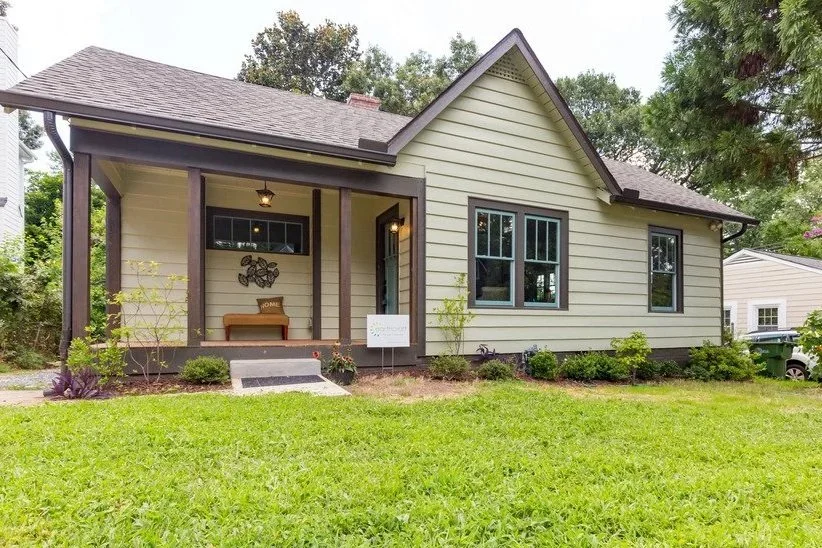
Southern Maine has no shortage of beautiful older homes. From historic houses in Portland to traditional New England homes in South Portland, Westbrook, and Biddeford, many properties were built long before modern heating and cooling systems became common.
And while these homes have plenty of character, keeping them comfortable throughout Maine's changing seasons can be challenging.
Maybe your home still relies on an oil boiler. Maybe some rooms are always colder than others. Or perhaps you've been considering a heat pump but aren't sure whether your house is too old for one.
Here's the good news: An older home doesn't automatically mean a heat pump is out of the question.
In fact, modern cold-climate heat pumps can be an excellent option for many older Maine properties. The important part is understanding your home's layout, insulation, existing heating system, and overall heating needs before choosing equipment.
Let's look at what homeowners should know.
1. Are Older Maine Homes Good Candidates for Heat Pumps?
Yes. Many older homes can accommodate heat pumps, even if they weren't originally designed for modern heating and cooling equipment.
Unlike traditional central heating systems, ductless heat pumps don't require existing ductwork. This makes them particularly interesting for older properties that rely on boilers, radiators, or electric baseboard heating.
For example, consider a traditional Portland home with a large living room downstairs and several smaller bedrooms upstairs.
A single wall-mounted heat pump might provide excellent comfort in the main living area, but that doesn't necessarily mean it will heat every upstairs bedroom equally.
That's where thoughtful system design comes in.
Depending on the property, a homeowner might benefit from:
A ductless mini split serving a primary living area.
Multiple indoor units providing room-by-room comfort.
A compact ducted system serving several bedrooms.
A combination of ducted and ductless equipment.
The goal isn't simply to install a heat pump. It's to find a configuration that works with the home's existing structure and the way the homeowner uses each space.
2. Does Your Home Need Better Insulation First?
One of the biggest considerations when installing a heat pump in an older Maine home is insulation.
Many older properties have experienced decades of renovations, additions, and changes to their original construction.
Some have upgraded windows and insulation. Others still have significant air leaks around foundations, attic spaces, and older building materials.
Why does this matter?
Because a heat pump needs to replace the heat your home loses during cold weather.
If warm air is constantly escaping through poorly insulated areas, your heating system has to work harder to maintain a comfortable indoor temperature.
Improving insulation and reducing air leaks can:
Help maintain more consistent indoor temperatures.
Reduce unnecessary heat loss.
Potentially lower heating costs.
Reduce the heating capacity your home requires.
Improve overall comfort during Maine winters.
Does this mean you need to completely renovate your home before installing a heat pump?
Not necessarily.
Some older homes can benefit from heat pumps without major renovations. However, identifying insulation and air-sealing improvements before equipment is sized can help avoid unnecessary expenses later.
For homeowners who aren't sure where their home is losing heat, a professional heat loss assessment can be a useful starting point.
3. Ductless vs. Ducted: Which Works Better in an Older Home?
This is one of the most important decisions homeowners face.
And the answer depends largely on the home's layout.
Ductless mini splits
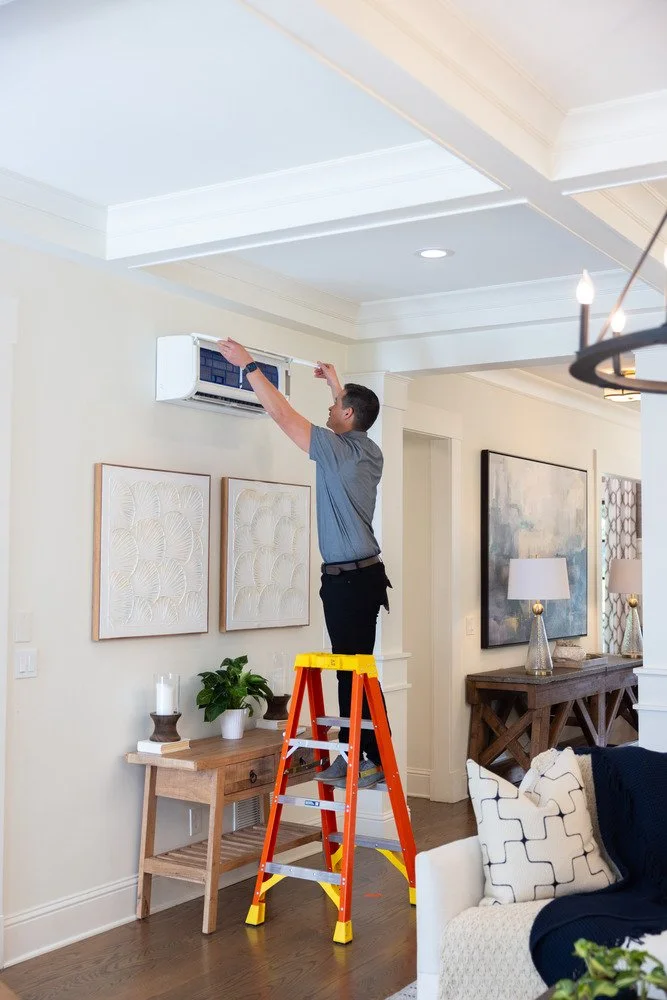
Ductless systems use indoor units installed in individual rooms or designated areas.
They're particularly useful for homes without existing ductwork.
Some advantages include:
No need for a traditional whole-house duct system.
Individual temperature control in different areas.
Flexible installation options.
Heating and cooling from the same equipment.
However, placement matters.
A heat pump installed in an open living room may not adequately heat a distant bedroom behind several closed doors.
Ducted heat pumps
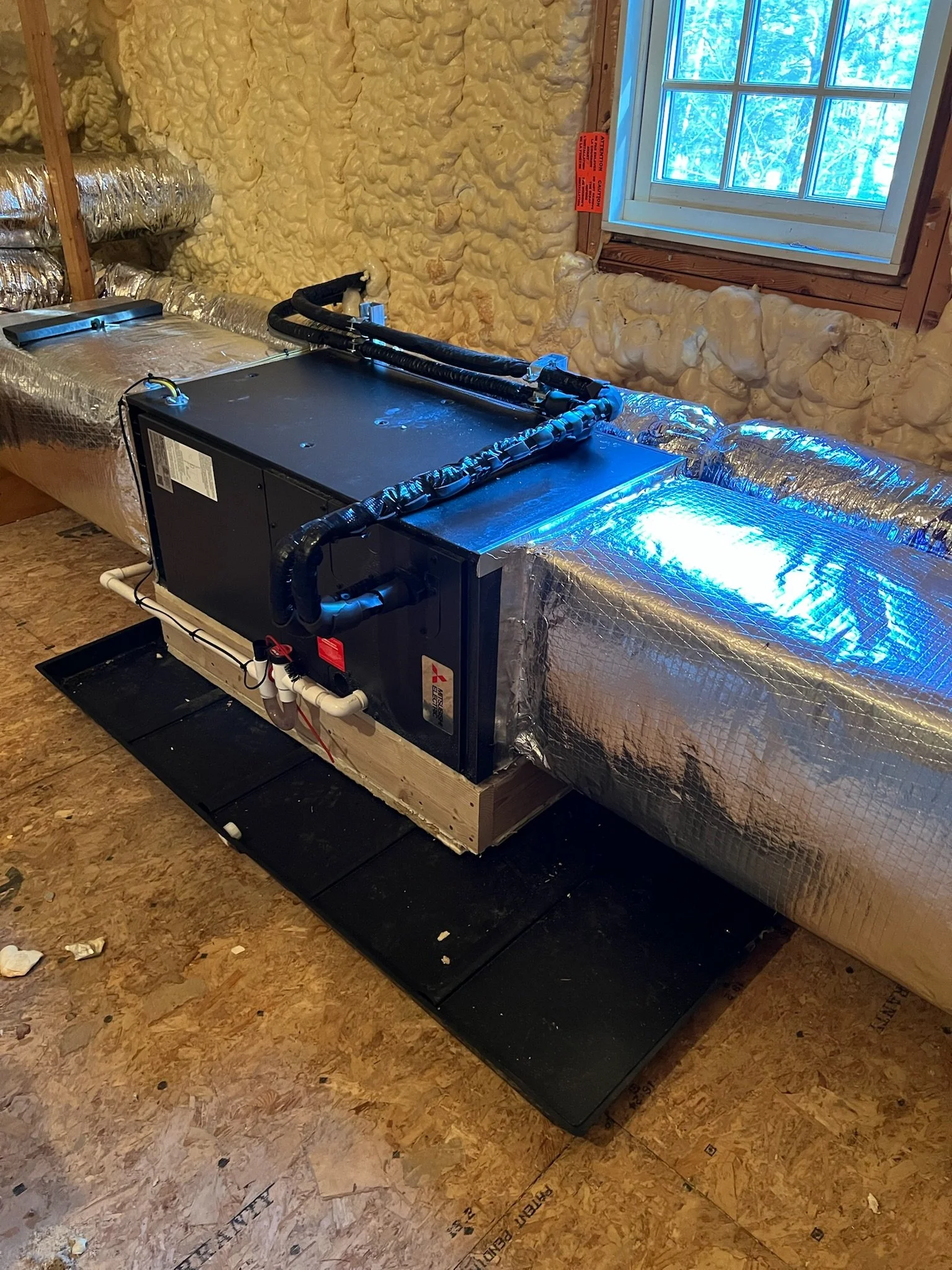
Ducted heat pumps distribute heated or cooled air through ductwork.
These systems can be appealing to homeowners who prefer not to have visible wall-mounted indoor units.
They may also work well when several smaller rooms need heating and cooling.
However, installing new ductwork in an older home can involve additional planning, especially when space is limited.
What about combining both?
Some homes benefit from a hybrid layout that uses ducted equipment in one area and ductless units elsewhere.
For example, a compact ducted system might serve several upstairs bedrooms, while a ductless unit provides comfort in a larger downstairs living space.
The best option is the one designed around the actual home, not simply the equipment that's easiest to install.
4. What About Old Electrical Systems?
Older homes sometimes have electrical systems that weren't designed with modern heating and cooling equipment in mind.
Before installing a heat pump, it's important to determine whether the existing electrical system can safely support the new equipment.
An installation assessment may need to consider:
Available electrical panel capacity.
Existing circuits and electrical loads.
Required equipment voltage and amperage.
Whether additional wiring or electrical upgrades are necessary.
Not every older home needs an electrical panel upgrade.
However, some properties may require electrical work before installation can proceed.
This is one reason a proper evaluation is more valuable than choosing a heat pump based solely on square footage.
5. Can Heat Pumps Actually Keep an Older Maine Home Warm in Winter?
This is a common concern, especially among homeowners who have relied on oil or propane heating for decades.
Modern cold-climate heat pumps are designed to operate in freezing temperatures, and certain models can continue providing heat well below zero degrees Fahrenheit.
But there's an important distinction between a heat pump being capable of operating in cold weather and a particular system being properly designed to heat an entire home.
The equipment needs to be selected based on the home's actual heating requirements.
That includes considering:
How much heat the home loses during cold weather.
The capacity of the equipment at low outdoor temperatures.
The size and arrangement of rooms.
How air will move between different spaces.
Whether the existing heating system will remain in use.
For some older homes, heat pumps may serve as the primary heating system.
For others, keeping an existing boiler or furnace as supplemental heat may make sense.
Neither approach should be assumed without evaluating the property.
6. What Happens to Your Existing Oil Boiler or Furnace?
Installing a heat pump doesn't automatically mean you need to remove your existing heating system.
Some homeowners choose to keep their current equipment while using heat pumps for much of their heating and cooling.
Others may be interested in transitioning away from oil or propane entirely.
The right decision depends on the home's heating needs, the existing equipment, installation costs, and the homeowner's goals.
One detail that's especially important in older Maine homes is protecting plumbing in basements and other areas that may not receive direct heat from the new system.
If an existing boiler has been keeping those spaces warm, removing or reducing its operation may require additional planning to prevent frozen pipes.
Before making major changes to your heating system, it's worth discussing the full heating plan with a qualified professional.
7. How Much Does It Cost to Install a Heat Pump in an Older Maine Home?
There's no single price that applies to every older home.
Two houses with similar square footage can require completely different installations.
For example, a relatively open home with accessible electrical connections may be easier to equip than a multi-story property with several enclosed rooms and limited installation space.
Factors affecting installation costs include:
Number and type of indoor units.
Required heating and cooling capacity.
Ducted versus ductless equipment.
Electrical upgrades, if necessary.
Equipment placement and accessibility.
New ductwork or modifications to existing ductwork.
Overall installation complexity.
Homeowners should also investigate current Efficiency Maine incentives and available financing options.
Because program requirements and eligibility can change, it's important to verify current incentives before making a purchasing decision.
At Only Heat Pumps, we offer free estimates to help Southern Maine homeowners understand their installation options before committing to a particular system.
8. What Should You Check Before Requesting an Estimate?
If you're considering a heat pump for an older home, here are a few questions worth thinking about beforehand.
Which rooms are hardest to keep comfortable?
Identify areas that consistently feel colder in winter or warmer in summer.
What heating system do you currently use?
Knowing whether you have oil, propane, electric baseboard, or another system helps establish a starting point.
Have you made insulation improvements?
Recent upgrades can affect the home's heating requirements.
Do you want to heat the entire house or just certain areas?
Your goals will influence the type and number of indoor units needed.
Are you planning future renovations?
Upcoming improvements may affect equipment placement and sizing.
You don't need to have every answer figured out before contacting an installer.
These questions simply help start a more productive conversation.
9. Why Local Installation Experience Matters
Older homes aren't always straightforward.
A layout that looks simple on paper can present unexpected challenges once equipment placement, electrical access, insulation, and airflow are considered.
That's why working with a company familiar with Southern Maine homes can be valuable.
At Only Heat Pumps, we focus exclusively on heat pump systems, including ductless installations, ducted installations, maintenance, and repairs.
As a Mitsubishi Electric Elite Diamond Contractor, our team works with homeowners to explore equipment options that suit their properties and comfort goals.
Whether you're considering your first heat pump or planning a larger heating upgrade, the first step is understanding what your home actually needs.
Frequently Asked Questions
Can you install mini splits in a 100-year-old house?
Yes, many century-old homes can accommodate ductless mini splits. The installation depends on the home's electrical system, available equipment locations, heating requirements, and other structural considerations.
Do older homes need ductwork for heat pumps?
No. Ductless mini splits can provide heating and cooling without traditional ductwork. Ducted options are also available for homes where that configuration makes sense.
Do I need to replace my oil heating system?
Not necessarily. Some homeowners retain their existing heating systems, while others explore a full transition to heat pumps. The best approach depends on the home's heating requirements and overall system design.
Will a heat pump work if my home has poor insulation?
A properly sized heat pump may still work, but insulation and air leaks can affect efficiency, operating costs, and comfort. Addressing major heat-loss problems before sizing equipment is often beneficial.
Can a heat pump heat an entire older home?
Yes, a properly designed cold-climate system can heat many older homes. The equipment configuration and heating capacity must match the home's needs, including during Maine's coldest weather.
Thinking About a Heat Pump for Your Older Maine Home?
Your house doesn't have to be new to benefit from modern heating and cooling technology.
Whether you own a historic Portland property, a traditional New England farmhouse, or a home that's simply ready for a heating upgrade, there may be several options worth exploring.
The key is finding a system that fits your home's layout, heating needs, and long-term comfort goals.
At Only Heat Pumps, we're happy to help you explore those options.
Proudly serving Southern Maine! 🧡
